 Events
  Digital Signage
  Hybrid Events
  Instagram Wall
 Twitter Wall
  TikTok Wall
 Hashtag Campaign
 Social Media Aggregator
 Linkedin Wall
 Facebook Wall
 Studio
 SnapUp
 Spotlight
 Analytics
 Moderation
 Customization
 Reactions
 Photo Booth
 Education
 Fitness
 Hospitality
 Healthcare
 Retail
 Agencies
 Sports
 Finance
 Non-profit
 News & Entertainment
 Ecommerce
 Blog
Blog Support
 Our Clients
 Integration
 Case Studies
 Get Inspired


15 Brilliant Event Marketing Examples That Drove Real Results in this Year
Author: Dakshit Mathur
15 minute read
Table of Content:
Remember when IKEA let people crash overnight in their store? Beds, snacks, pajamas, the full sleepover treatment. It sounded ridiculous at first, but that’s why everyone loved it.

People weren’t just shopping; they were living the brand, laughing, posting, and telling everyone about it the next day.
That’s the beauty of great event marketing. It’s not about selling, it’s about giving people a story they want to share. And that’s just one great event marketing example here.
In this blog, we’ll discuss 15 event marketing examples that went extremely creative and got real results to prove it. Read on!
What is Event Marketing ?
Event marketing is a way of promoting a brand, product, or service by creating live or virtual experiences. These can be things like trade shows, webinars, product launches, workshops, or even small meetups. Instead of just showing ads, event marketing focuses on real interaction—helping people experience the brand in a more personal and memorable way.
In simple terms, event marketing is about connecting with your audience through experiences, not just messages.
Why Examples Are Useful for Learning Event Marketing Strategies
Event marketing examples makes easier to understand. Instead of theory, you see how brands actually:
- Attract attendees
- Engage audiences during events
- Turn interactions into leads or sales
By studying real event marketing examples, you can clearly see what works, what doesn’t, and how successful event marketing campaigns are built.
Learning from Real-World Event Marketing Cases
Looking at real-world cases helps you move from understanding the concept to executing it. These examples of event marketing offer practical insights into planning, promotion, audience engagement, and follow-ups—things that truly decide the success of an event marketing campaign.
Types of Event Marketing Examples
Let’s first understand the major types of event marketing examples you should know of –
Experiential Events
Experiential events aren’t just another promo stunt. They’re the moments people live with your brand: pop-ups, surprise activations, weird little setups that make you stop, look, and think, “okay, that’s cool.” It’s the kind of marketing that gets phones out, cameras rolling, and crowds showing up.
Take IKEA, for instance. The brand once turned its store into a full-on sleepover, yep, beds, PJs, midnight snacks, the works. This pop-up wasn’t just about furniture; it was about letting people live the experience of comfort, literally. Guests tested beds like kids in a candy shop, while social media exploded with cozy selfies. That’s how you turn engagement into genuine affection for a brand.

These immersive setups prove a simple thing: when customers touch, taste, or feel your brand story, it sticks longer than any ad ever will. And that is what makes experiential events one of the smartest event marketing examples out there.
Virtual and Hybrid Events
Welcome to the era of virtual events and hybrid events, where your attendees could be watching from a café, couch, or even a treadmill.
Let’s be honest, not every great event needs a big stage or a city crowd. Some of the smartest event marketing campaigns now live online, blending digital and real-world engagement into one connected experience.
Salesforce pulled it off big time with Dreamforce’s digital edition. What used to be a giant in-person tech fest turned hybrid, part live, part virtual, all energy. They mixed sessions, Q&As, and networking lounges so well that even people watching from home felt the crowd’s buzz. Polls, breakout rooms, and AR demos made guests actually feel like being there.
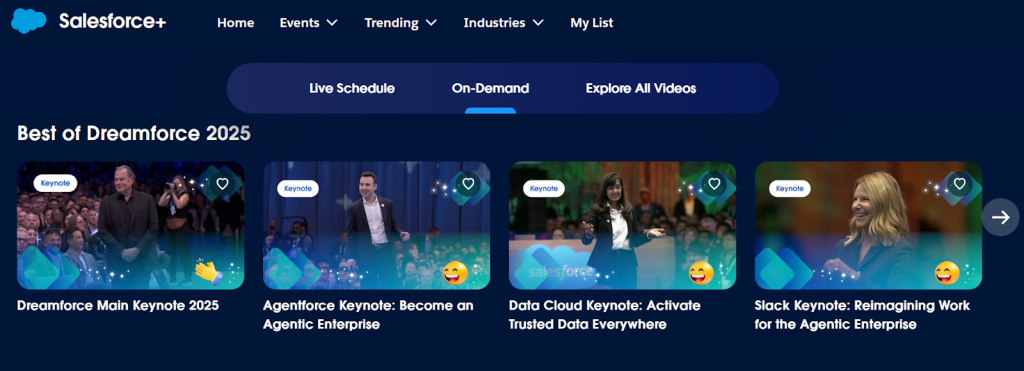
This shift isn’t just a pandemic leftover; it’s now a key part of modern event marketing examples. Because when people can learn, engage, and build connections from anywhere, the reach multiplies, and so does your campaign ROI.
If you want to fine-tune your next virtual launch or summit, hop over to our virtual event marketing strategies blog, which breaks down what really works.
Product Launch Events
Nothing grabs attention like a good product launch. That mix of hype, suspense, and timing? It’s magic. A great launch doesn’t just show what’s new, it builds a moment. It makes people feel the buzz, the curiosity, the need to be part of it. That’s exactly why product launches are considered a classic event marketing example.
And let’s be real, no one nails it like Apple. Every iPhone launch feels less like a tech update and more like a global moment. The lights, the pacing, the music, every detail is intentional. It’s clean, emotional, and unforgettable. The secret? Apple doesn’t just announce a product. It makes you want it.
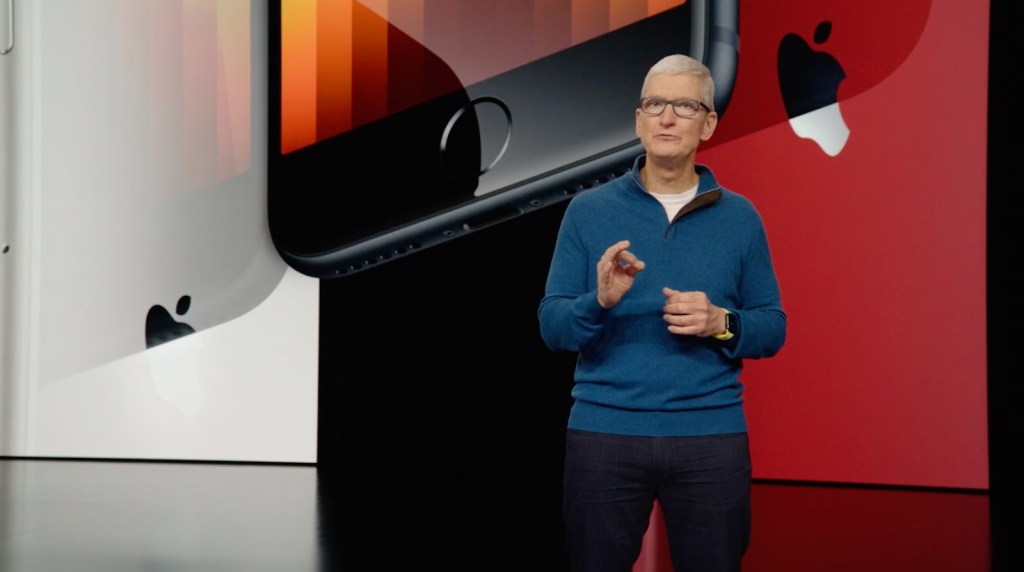
The aftermath says it all: social media buzz, news coverage, YouTube breakdowns, memes. That’s the power of a great product launch. It’s not just an event; it’s a story that spreads.
So when you’re planning your next reveal, don’t just aim to inform people. Create a moment they’ll remember and talk about.
One Event. Unlimited Reach
Aggregate and showcase live attendee content across screens and digital touchpoints

 No Credit Card Required
Event Marketing Examples That Can Inspire Your Promotion Ideas
If you’ve ever watched a brand event and thought, “wow, that’s genius,” you’re in good company. The best event marketing examples aren’t just flashy, they’re strategic, emotional, and designed to stick in audiences’ heads long after the stage lights dim.
Here are a few real-world examples of event marketing that still make marketers nod in respect.
1. Red Bull Stratos Jump — The Sky’s Literally Not the Limit
With the Stratos Jump, Red Bull didn’t just pull off another stunt; it made history. Felix Baumgartner literally jumped from the edge of space, free-falling back to Earth while over 8 million people watched live. For days, that’s all anyone could talk about. This daring moment became one of the most talked-about event marketing examples ever.
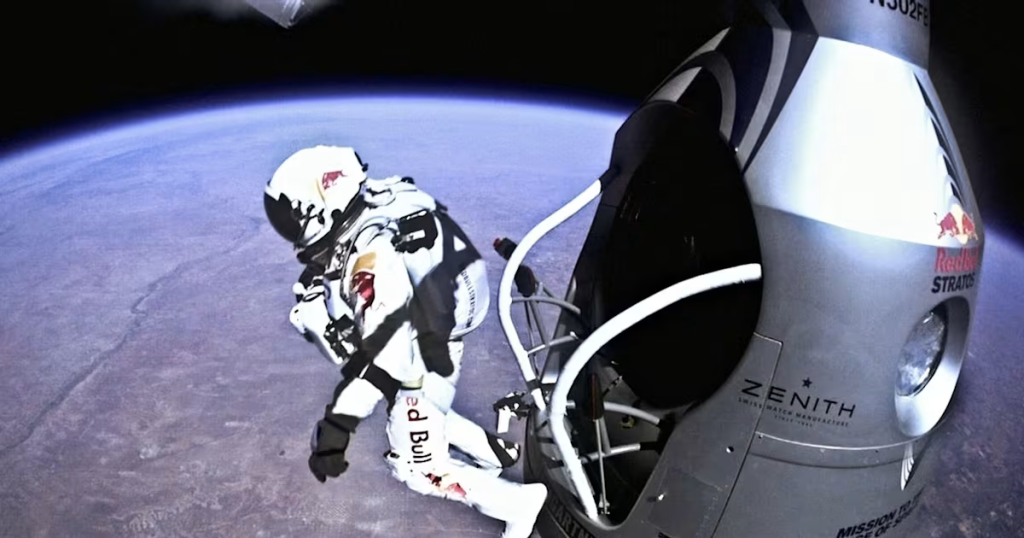
No ads. No product plug. Just pure adrenaline, a moment that screamed “gives you wings” without saying a word. It’s still one of the boldest event marketing moves ever, and proof that storytelling will always outshine selling.
2. HubSpot INBOUND — Turning Conferences Into Communities
HubSpot’s INBOUND isn’t just a business conference; it’s a full-blown experience. With speakers like Barack Obama and Gary Vaynerchuk, plus interactive sessions, digital lounges, and killer networking zones, it makes learning actually feel exciting.
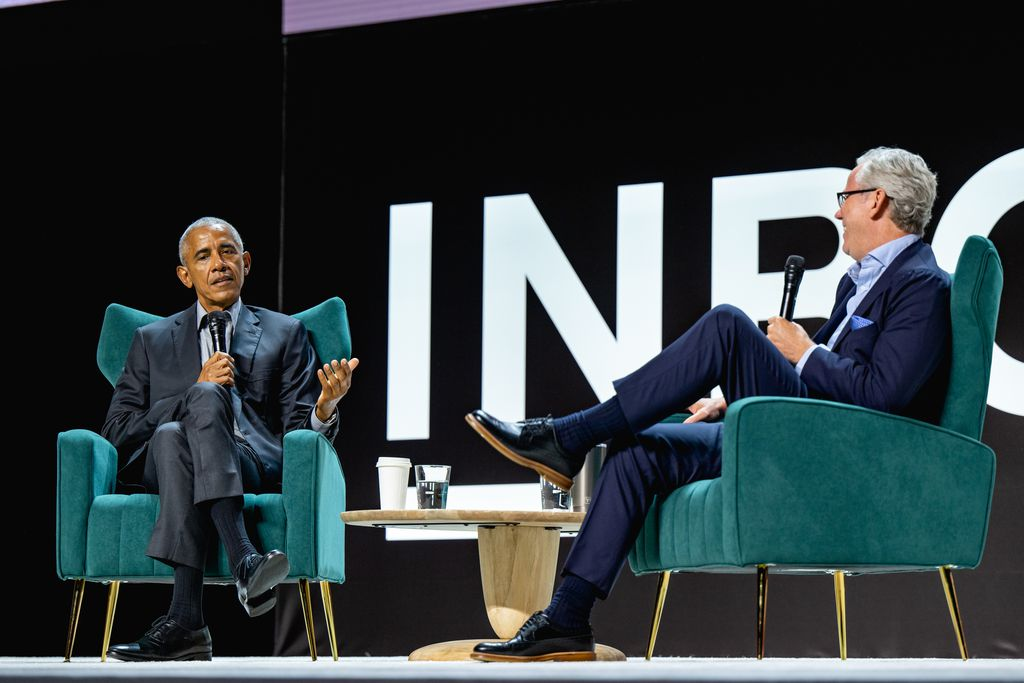
The magic lies in its hybrid model, combining learning, entertainment, and connection. It’s a blueprint for how successful event marketing examples can convert attendees into lifelong brand believers.
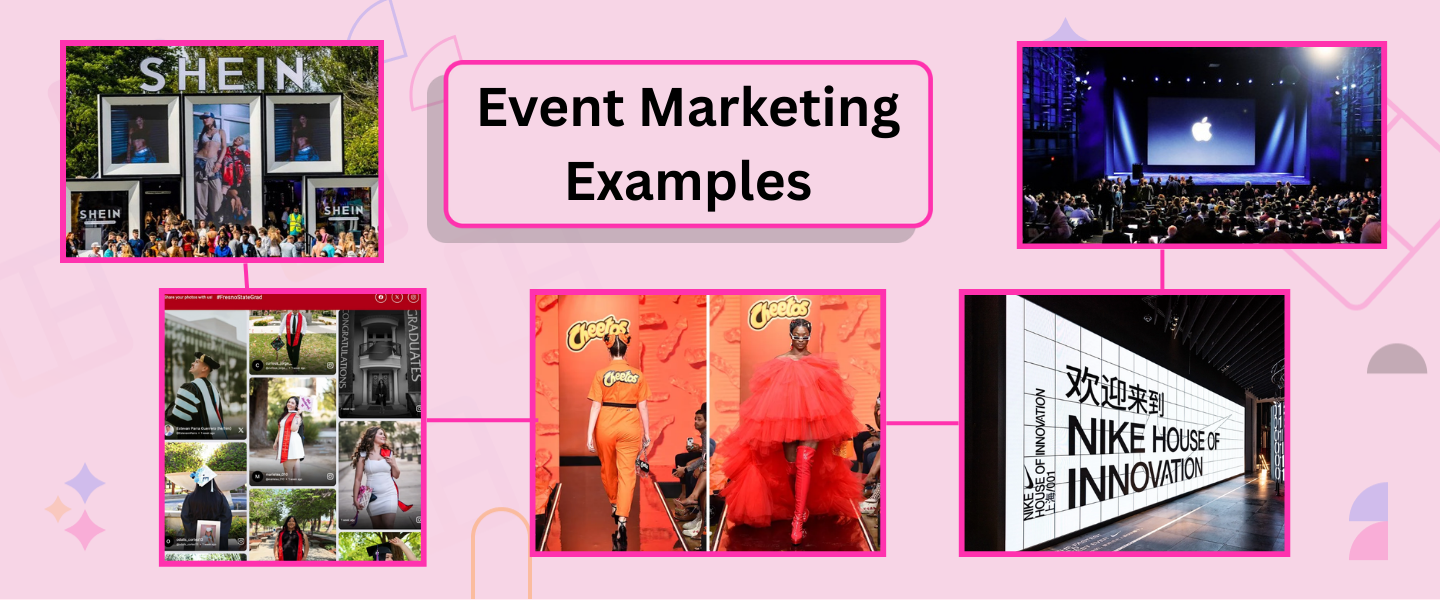
3. Nike’s House of Innovation — Pop-Ups Built for Play
Nike’s House of Innovation pop-ups redefine retail. Visitors don’t just shop; they move. From try-on sessions using AR mirrors to custom design labs, Nike turns product discovery into an adventure.
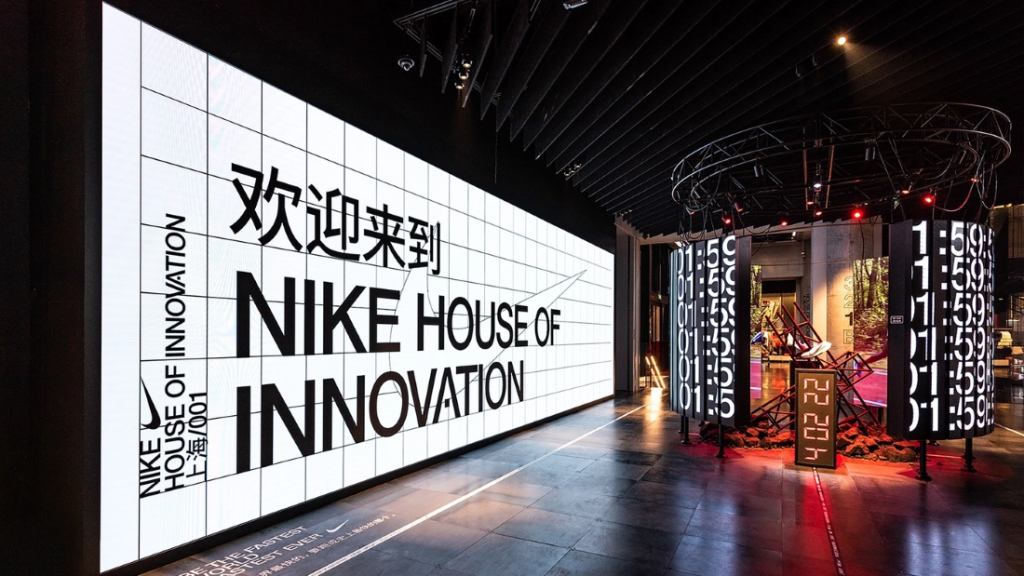
These pop-ups are proof that immersive, sensory-driven experiences can sell a lifestyle, not just sneakers. Each one stands as a reminder that the future of successful event marketing lies in interaction, not interruption.
4. Experiential Activation: Audible Beach at SDCC
At Comic-Con 2022, Audible teamed up with Civic Entertainment Group to bring its Originals, Impact Winter, The Sandman, and Moriarty: The Devil’s Game, to life. And no, this wasn’t just a cute booth. It was a massive, 150-ton sand sculpture installation that looked like it had crawled straight out of a dream sequence. Fans could chill on Audible-branded beach chairs, plug into immersive listening stations, and just soak it all in. This activation quickly became a standout event marketing example.
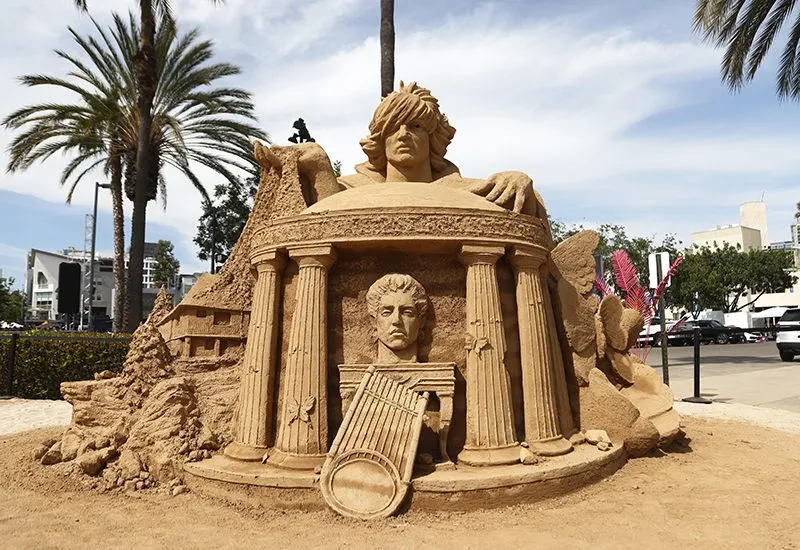
The beauty of this brand activation? It didn’t scream event promotion. It gave an experience. Attendees didn’t just hear about Audible, they felt it, literally under their feet. That’s the magic of a great experiential activation: people leave with photos, emotions, and stories they want to share.
5. Realise X Social Walls for SHEIN at Rockstar Energy Presents Creamfields 2025
Some event marketing examples simply look good, and then there are others that feel good because they bring the crowd right into the story. Realise, in SHEIN collaboration with Social Walls, pulled this type of marketing excellently at the Rockstar Energy Presents Creamfields 2025.
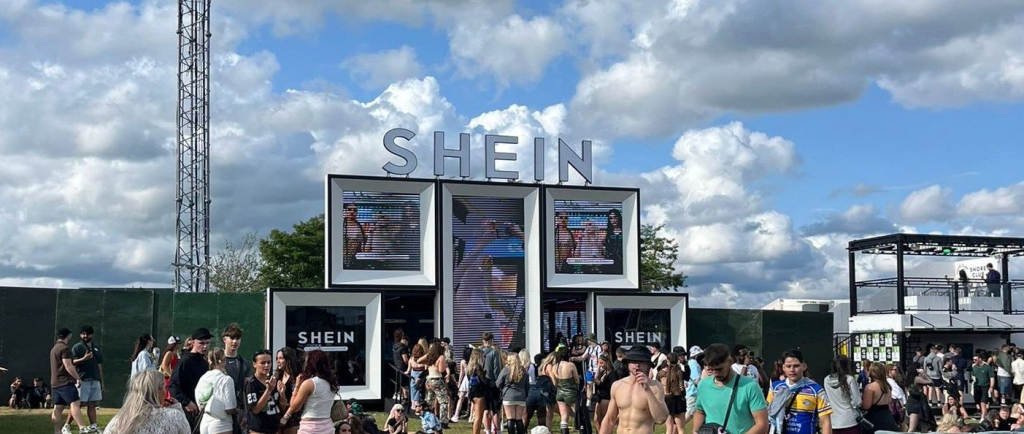
Partnering with SHEIN, the team turned audience engagement into the highlight of the brand’s immersive activation. Using an event-specific hashtag, they curated and showcased user-generated content (UGC) live across massive digital screens scattered throughout the festival zones. Every selfie, every outfit post, every shoutout — all became part of a real-time, glowing display that amplified both the vibe and the brand’s voice.
The customization was spot-on, from color palette and typography to timing of displays; everything synced perfectly with Creamfields’ electric energy. Real-time moderation ensured only the best, most brand-aligned content went live, keeping things dynamic yet flawless. And honestly, people loved it. Attendees started posting more just for the chance to see themselves hit the big screen.
This case shows exactly why live digital interactivity matters.
Turn Your Crowd Into the Main Attraction like SHEIN Does
Bring attendee content live on screens and let the audience fuel the buzz
No Credit Card Required6. Saturday Night Seder by BuzzFeed’s Tasty
Among the most meaningful event marketing examples in recent times, BuzzFeed’s Tasty nailed this balance with its Saturday Night Seder, a virtual charity event created during the early waves of the pandemic.
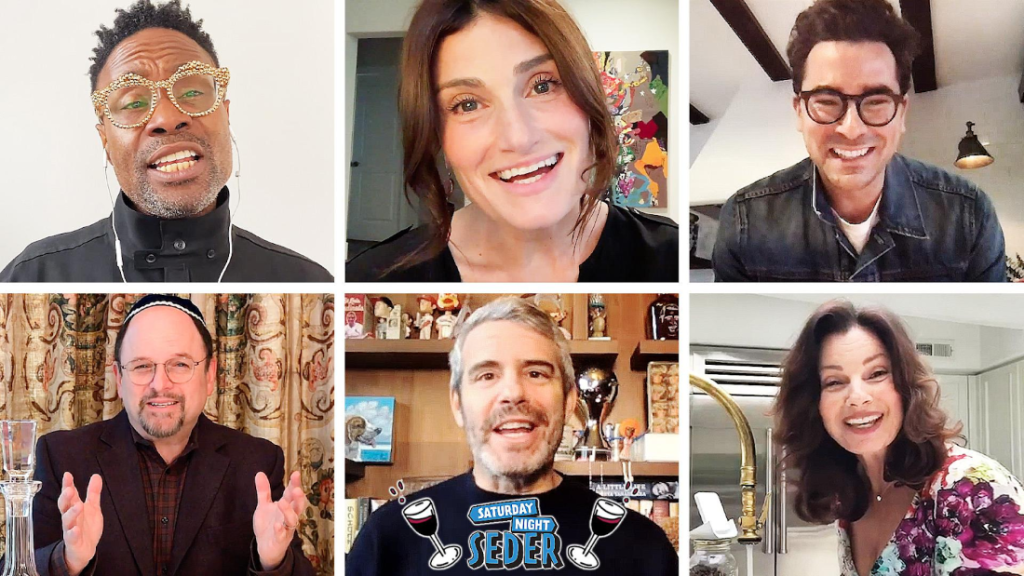
Hosted by celebrities and streamed live on YouTube and Facebook, the event brought thousands together for a reimagined Passover experience. It wasn’t just about food or entertainment; it was about connection, culture, and comfort in a tough time. And yes, it made a real impact too, raising over $3 million for the CDC Foundation’s COVID-19 emergency fund.
What made this event stand out wasn’t the star power or the digital reach; it was the emotion behind it. This was storytelling done right, a perfect reminder that generosity and cause-driven creativity can be the most powerful event marketing example of all.
7. Cheetos at the New York Fashion Week
Now here’s a crossover nobody saw coming, Cheetos at New York Fashion Week. Yep, one of the most unexpected event marketing examples out there, and hands-down one of the boldest.
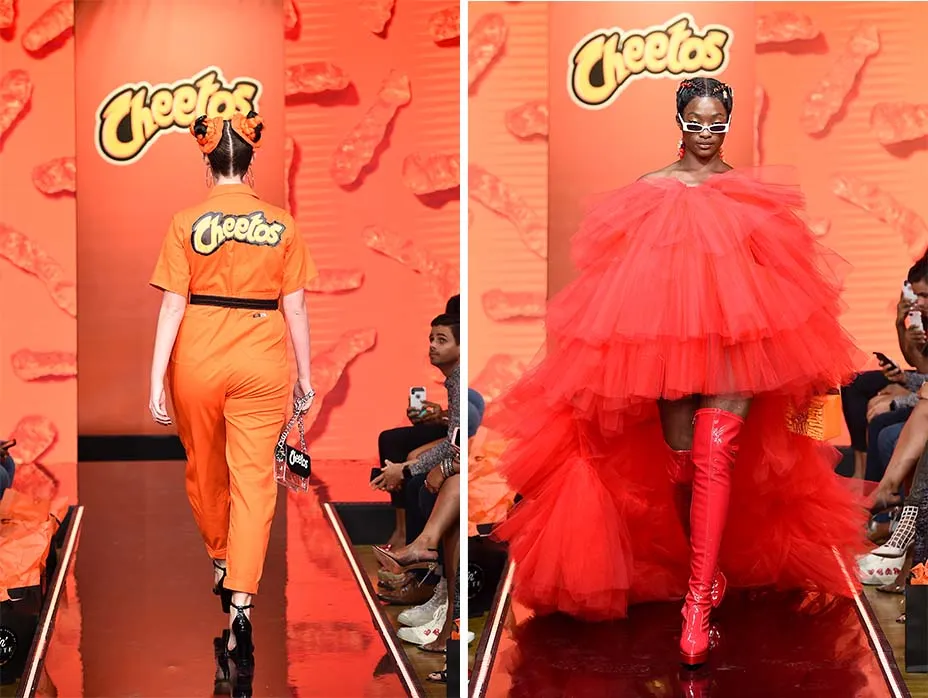
To honor its creative fan base, Cheetos launched House of Flamin’ Haute, a runway experience that turned fiery snack love into fashion. From influencer-designed outfits to an orange-themed beauty bar where guests got “Cheetos-inspired” makeovers, everything about it screamed fun and fearless.
The hype was unreal, tickets vanished almost instantly, hundreds landed on the waitlist (celebrities included), and social media feeds lit up with #FlaminHaute. What was meant as a quirky promo became a full-blown culture moment.
The brilliance? It wasn’t about selling chips. It was about letting fans live the brand. And that’s the heart of all great event marketing example, not just grabbing attention but creating experiences that people can’t stop talking about.
8. Rainbow Room’s Tiki Pop-Ups
When a place known for black-tie dinners and skyline views suddenly swaps tuxedos for tiki torches, you can bet people will talk. The Rainbow Room, one of New York’s most iconic dining spots, lightened up its image with a tropical pop-up tiki bar, easily one of the most refreshing examples of event marketing of the year.
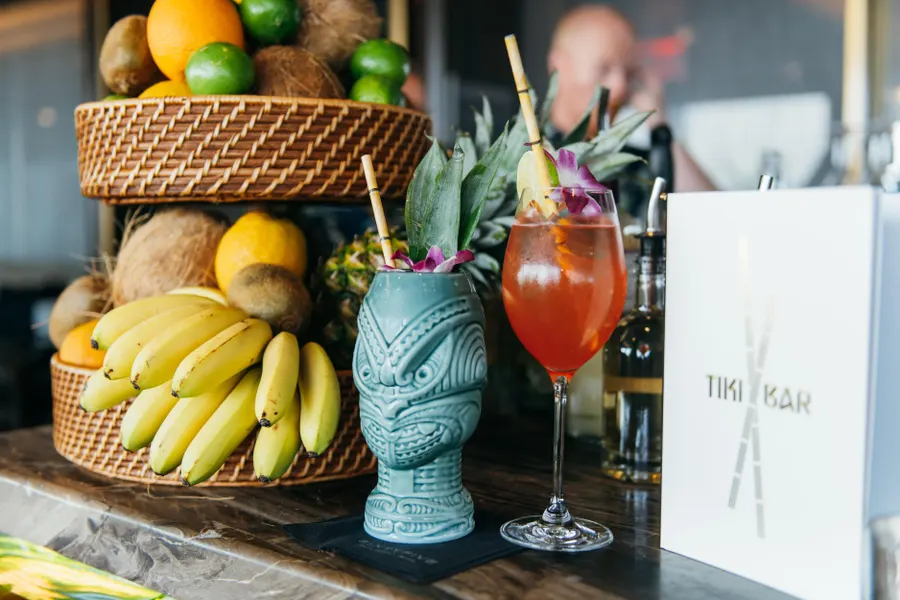
The real trick? Instead of their usual “dress to impress” scene, the Rainbow Room invited folks to just show up and taste the vibe—no commitment, no sticker shock. It’s a clever event marketing example for any brand: nail your theme, make it memorable, and suddenly people want to be a part of it.
9. Google I/O Virtual Event
Google I/O proved you don’t need a packed auditorium to make a splash. The team went all out with 360° cameras, capturing every keynote so people could tune in from anywhere, yep, even from their couch in pajamas. The whole thing streamed live on YouTube, totally free, open, and easy to jump into.
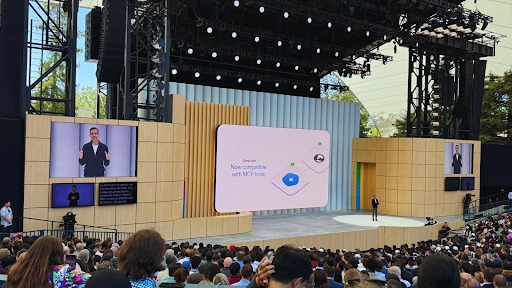
The physical event was buzzing, but the real thing? Folks miles away felt right in the middle of the action. It’s one of those event marketing examples that shows how virtual touches can open doors, spark global conversations, and fill in what you miss when you can’t make it in person.
10. Karya Kreatif Indonesia: Real Crowd, Real Culture
Karya Kreatif Indonesia is an Indonesian exhibition event that brings Indonesian creativity to the limelight by showcasing products, decor, cuisine, clothing, and more.
This time, the organizers tried something new. They put up big digital screens around the place to show photos, comments, and little moments people shared on the spot. One minute someone’s snapping a selfie with their satay, next thing you know, it’s flashing live on a screen nearby. It wasn’t about pushing anyone to post, just giving them a fun reason to share what caught their eye making it a strong example of event marketing driven by real participation.
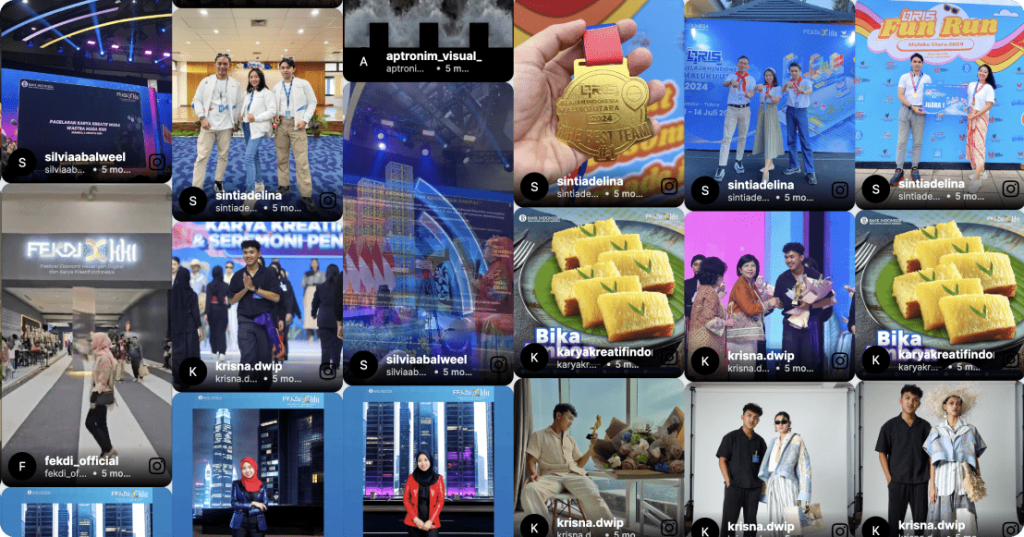
And honestly? It worked better than expected. People got into it, chatting, sharing ideas, laughing over random photos. The whole space felt way more alive, like a real community instead of just a bunch of stalls.
Every Moment Deserves a Spotlight
Show what people are seeing, sharing, and loving—right as it happens
No Credit Card Required11. Oxfam’s Welfare Event at London Fashion Week
At London Fashion Week, Oxfam rolled out their “Second-Hand Style” initiative, reminding the fashion world that helping others never goes out of style. The campaign’s got history; Oxfam’s been pushing the second-hand movement for the better part of 75 years.
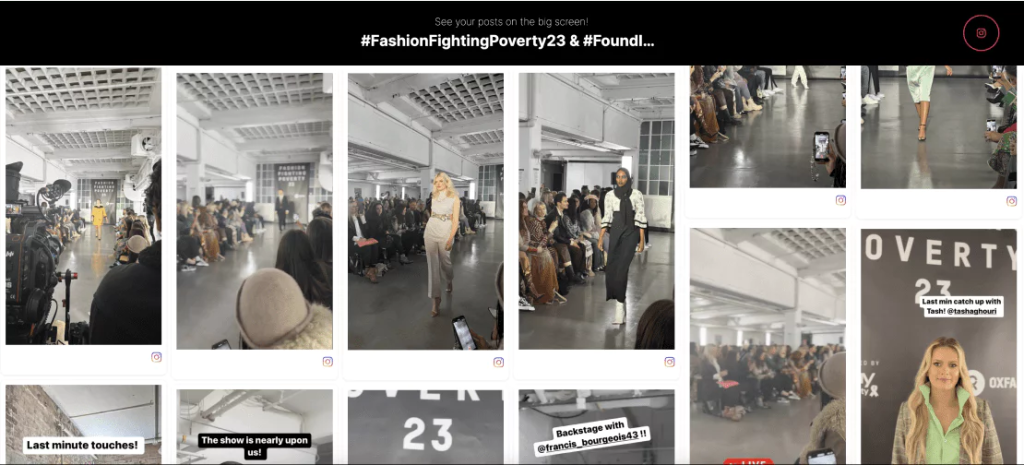
This event took things up a notch with digital screens showing live posts from the audience, all pulled in through the event hashtag. Every photo, every message, wasn’t just for show. It helped shine a light on Oxfam’s newest cause: supporting people impacted by the Turkey and Syria earthquakes.
By showing live posts and crowd reactions, Oxfam made every attendee part of the cause. Donations came rolling in, all fueled by the buzz and stories the audience shared on those big screens, a prime event marketing example of how simple tech, a good story, and shared purpose get people involved for real.
12. Glassdoor’s Board Game Tournament
Team building isn’t all awkward icebreakers and flip charts. Sometimes, it’s just a few good games and a room full of laughs. Take Glassdoor’s Board Game Tournament, a refreshingly simple example of event marketing that puts collaboration ahead of corporate jargon.
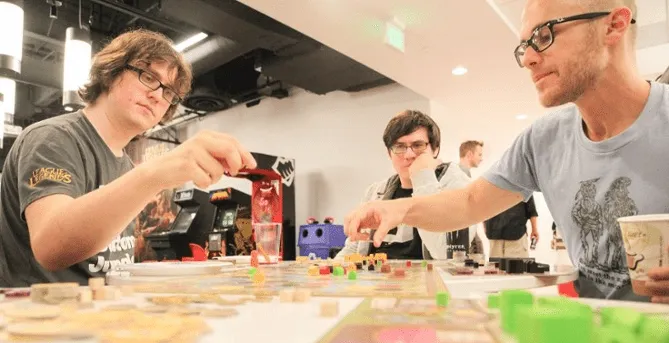
Picture this: coworkers playing Jenga or Boggle with people they normally just nod to in meetings. Prizes on the line, a little trash talk flying, and suddenly those lunchtime strangers are trading stories and high fives.
The real win? New friendships and stronger teamwork, all sparked by a few classic board games.
13. SpaceX’s Annual Party
SpaceX doesn’t just launch rockets; they know how to launch a party, too. Their yearly winter bash is the stuff of legend, transforming a warehouse (the location’s always hush-hush) into a wild maze of themed rooms, surprises, and a whole lot of holiday spirit.
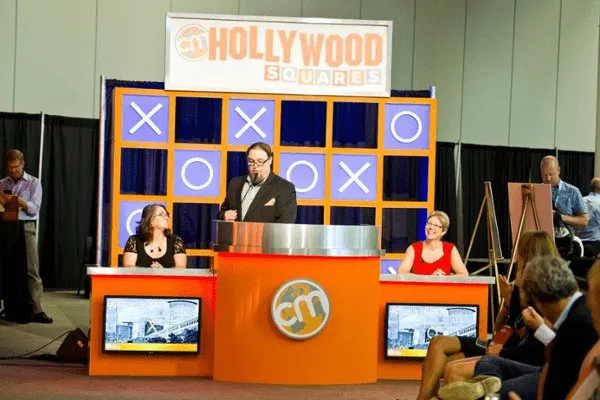
It’s a classic event marketing example of why a little wow-factor can turn the usual office party into the event everyone talks about for months.
Sure, not every company has a SpaceX budget. You probably won’t have a Mars room or a zero-gravity dancefloor. But honestly, you don’t need one. Whether it’s Christmas, New Year, or National Ice Cream Day, giving people an excuse to celebrate, relax, and brag about each other’s wins is what makes your company a team.
14. Riders Mania by Royal Enfield
Royal Enfield has always been about more than bikes—it’s a badge for explorers, road trippers, and anyone who thinks adventure looks better on two wheels. At Riders Mania, the brand’s mega meet-up for motorcycle fans, the excitement went way beyond engine revs. It’s a powerful example of event marketing built around community.
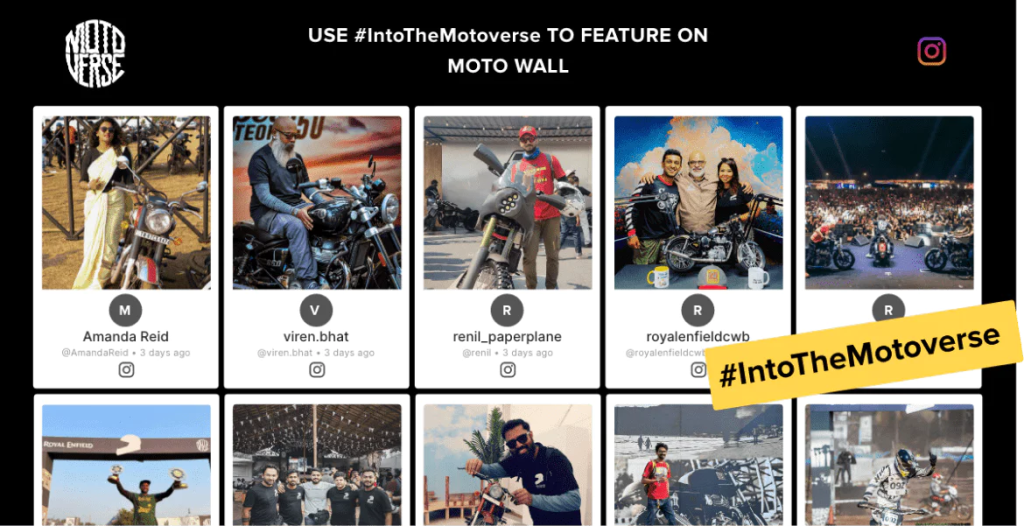
With thousands gathering from all over, Royal Enfield turned to digital venue screens to pull in real-time UGC (user-generated content)—snapshots, ride videos, and all those proud #IntoTheMotoverse moments. That endless stream of shared adventures made the crowd feel like one big family.
15. Apple Product Launch Events
As we already discussed, Apple’s got the playbook memorized for event marketing. For iPhone launches, there’s always a buzz before the reveal. You’d think Tim Cook’s about to drop a Grammy single, not a phone. It’s a classic event marketing example done right.
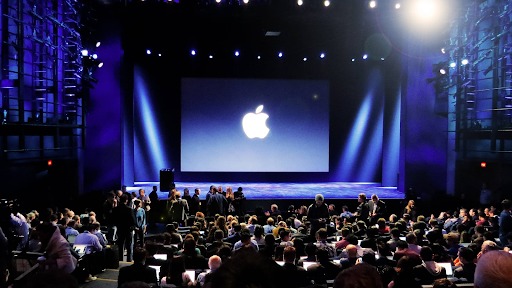
The magic is never just in the product; it’s the suspense, the hype, and the way Apple gets even non-geeks glued to the livestream. Social feeds blow up with instant reactions, memes fly, and suddenly everyone’s hunting for “what’s new?” whether they need a new device or not. The lesson here? A great launch is more than just facts; it’s theater, community, a little mystery, and tons of emotion.
Ready to Create the Same Energy These Brands Did?
Bring your event to life with Social Walls that connect people, stories, and screens in real time
No Credit Card RequiredConclusion
At the end of the day,the best event marketing examples don’t just fill rooms, they spark stories. From pop-ups to digital festivals, it’s the shared moments that keep people talking long after the lights go down.
If you want your next event to hit that sweet spot of engagement and buzz, try bringing your audience into the story.
Check out Social Walls and see how live social walls can turn every post, selfie, and shoutout into the highlight of your event.
Frequently Asked Questions
-
What makes an event marketing campaign successful?
A great event campaign isn’t just loud, it’s meaningful. It creates real engagement, genuine buzz, and drives results that actually match your brand goals.
-
How much should I budget for event marketing?
Your event marketing budget entirely depends on the level you want to market your event. Ensure a big budget if you want your event marketing to go full scale. However, sometimes even marketing strategies with low budgets also generate extraordinary buzz.
-
What are some good examples of event marketing ?
You can get inspired by many examples, be it Apple’s launch events, Cheetos at the New York Fashion Week, or Shein using Social Walls at the Rockstar Energy Presents Creamfields 2025.
-
What is the difference between event marketing and event management?
Event marketing is all about the hype, promoting your event, building brand awareness, and getting people excited. Event management, on the other hand, is the backbone, handling logistics, vendors, and all the behind-the-scenes chaos that makes the show actually happen.

With a total experience of 7 years in content writing, Dakshit Mathur is well-versed with various types of content, including blogs,...