 Events
  Digital Signage
  Hybrid Events
  Instagram Wall
 Twitter Wall
  TikTok Wall
 Hashtag Campaign
 Social Media Aggregator
 Linkedin Wall
 Facebook Wall
 Studio
 SnapUp
 Spotlight
 Analytics
 Moderation
 Customization
 Reactions
 Photo Booth
 Education
 Fitness
 Hospitality
 Healthcare
 Retail
 Agencies
 Sports
 Finance
 Non-profit
 News & Entertainment
 Ecommerce
 Blog
Blog Support
 Our Clients
 Integration
 Case Studies
 Get Inspired


Event Marketing Strategies Every Marketer Should Know in 2026
Author: Wagisha Adishree
12 minute read
Table of Content:
Planning an event sounds exciting until you realize how difficult it is to make people show up, engage, and remember your brand afterwards. Between endless logistics, low signups, and tight budgets, marketers face constant pressure to deliver results that actually convert. That is where you need event marketing strategies.
Trust us; event marketing strategies are not just about promotions; they are about building anticipation, connection, and long-term brand impact. In this comprehensive guide, we will walk you through some of the best event marketing strategies, explain why they matter, and outline the current scope of event marketing. Let us begin.
What Are Event Marketing Strategies ?
Event marketing strategy refers to the planned set of tactics, techniques, and communications that surround an event to promote a brand, product, service, or organization. It does not simply mean “advertise the event”. It means designing the experience from pre-launch to post-event aligned with your brand goals.
Why They Matter –
- Event marketing strategies help you invite the right people to your event —not just the ones who have a free calendar. These strategies ensure your event aligns with the key points of your attendees.
- They turn events into measurable business results, driving awareness, generating leads, and building brand loyalty.
In short, event marketing strategies make your event more than ‘just another gathering’. Instead, they make it a strategic tool that helps you attract your target audience.

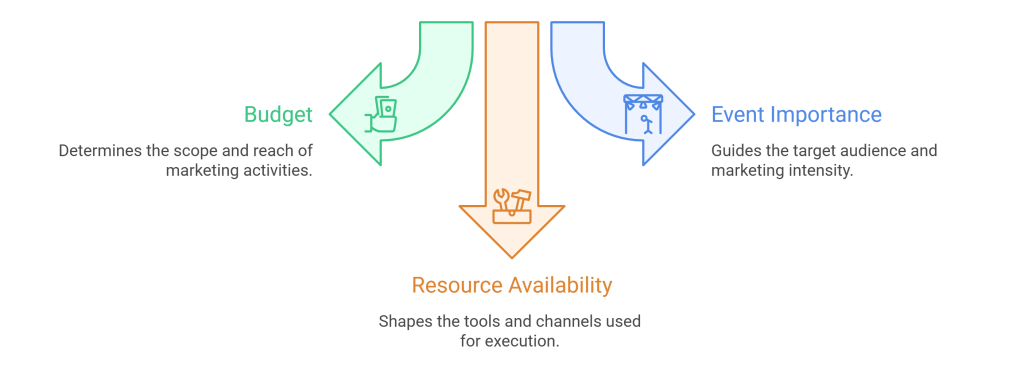
What Factors Influence Event Marketing ?
Here are certain factors that influence event marketing :
Budget
Your budget sets the stage for what is possible for your event. Even with limited funds, a well-thought-out event marketing strategy can leave a maximum impact. Smaller budgets call for social media, hashtag, and email marketing campaigns, as well as the right use of user-generated content.
Related: Social Wall CTAs: Monetize User-generated content
Event Importance
Understanding why the event matters helps you walk through the marketing decisions. High-priority events warrant a broader reach, while small gatherings will focus on niche, highly targeted audiences.
Resource Availability
The tools, channels, and assets at your disposal influence strategy choice. Creative materials, virtual platforms, and access to influencers or partners all play a role in executing the best marketing strategy for events.
The event marketing industry is experiencing exponential growth
According to statistics, Markletic reports that 45% of B2B event organizers expect at least a 3X ROI one year after the event. This means that for B2B marketing, events are highly profitable in the long run.
Visme found that 74% of attendees leave with a positive impression of the brand, making them more likely to explore products or services and eventually become customers. A well-executed event marketing strategy can turn attendees into advocates and loyal clients.
Here is an overview of the future of event marketing :
- Worldwide industry value: $1.4 trillion in 2024, with a forecast ranging between $2.5–2.9 trillion by 2035.
- Year-on-year increase: 5–7% compound annual growth rate, indicative of a gradual broadening beyond the sectors
- Market of corporate events: Estimated to go beyond $1 trillion by 2029
- Event spending: Fortune 1000 marketers; 74% of them are willing to increase event budgets in 2025
- Virtual events market: $237 billion in 2025, followed by a rise to $537 billion in 2029 (22.7% CAGR)
- Hybrid events: 60% of associations expect hybrid/virtual formats to be the mainstay of future events
- Technology adoption: 85% of planners have event management software, and 50–70% utilize AI tools for planning or execution.
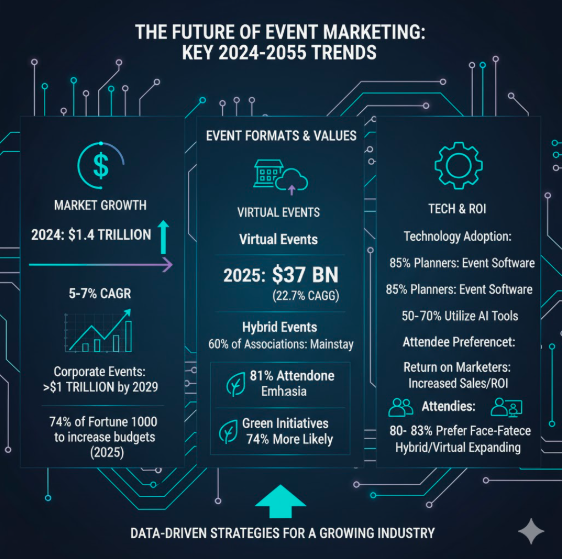
These figures collectively indicate a clear trend: events are transforming, expanding, and becoming more technologically sophisticated. This offers a significant opportunity for marketers who can leverage them effectively.
Turn Event Growth Into Real Engagement
Track engagement and convert event buzz into real business impact
 No Credit Card Required
15 Types of Event Marketing Strategies
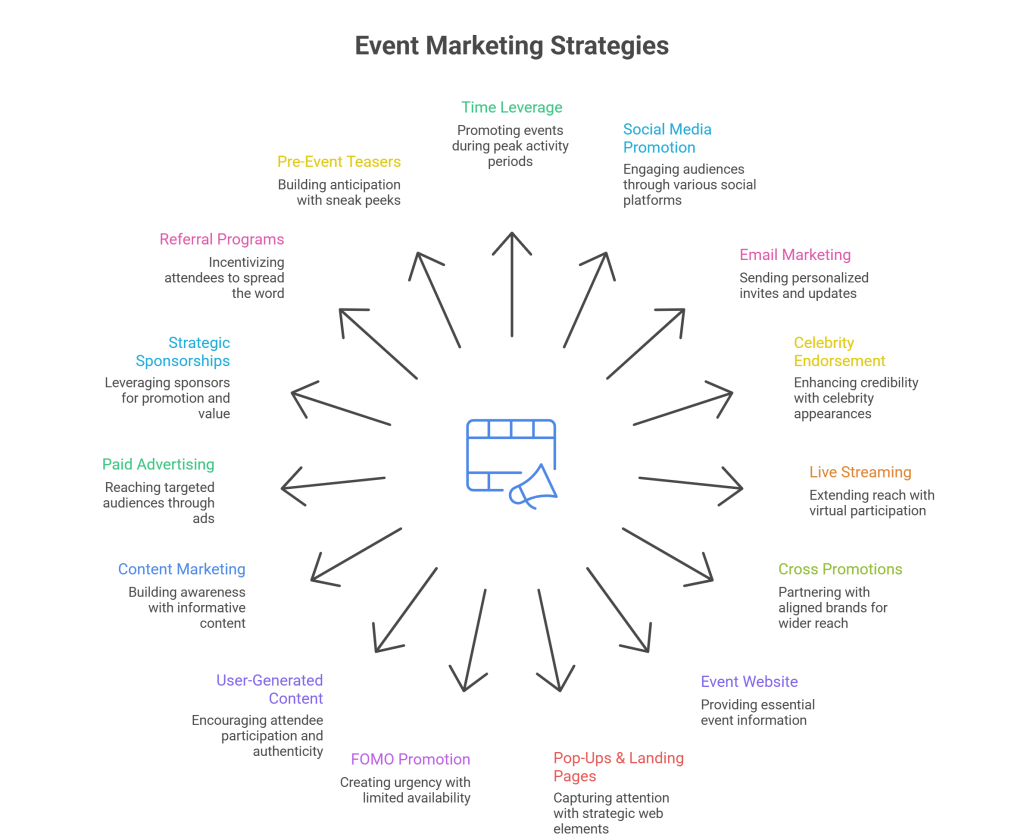
Let us take a look at the types of event marketing strategies.
Take Advantage of Time
One of the best event marketing strategies is to leverage time. Timing is a crucial factor in any successful event marketing strategy. Promote your event during peak periods when your audience is most active, such as industry-specific calendar events or seasonal trends. Send early announcements, follow-up reminders, and last-minute alerts to maximize registrations.
Promoting Through Social Media
Social media is your megaphone. Share engaging posts, stories, reels, and polls across platforms like LinkedIn, Instagram, TikTok, and Facebook. Paid social ads can target specific demographics and retarget the audience.
Use event-specific hashtags to centralize engagement and make it easier for attendees to join the conversation. Collaborate with influencers, sponsors, or partners brands to expand your reach.
Creating Advertising Emails
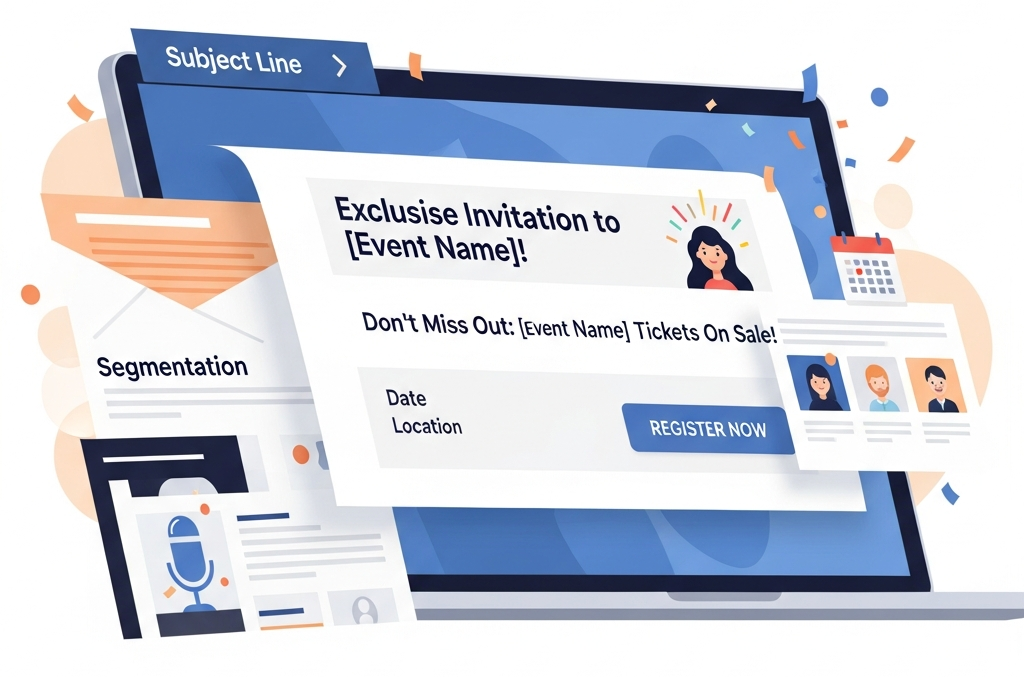
Email marketing is one of the event marketing strategies and is still the single most potent tool you can use to promote your event. You actually get to send personalized invites straight to your client’s inbox. Tease the recipient’s curiosity with an email subject line, and categorize your email list so you can send the most appropriate messages based on previous attendance, interests, or demographics.
Including a clear call to action in your email, along with visually appealing designs and essential event details such as date, location, and registration links. This will go a long way toward engaging more of your email recipients.
Use the emails to communicate with your customers—send the save-the-date announcement, a detailed invitation, an early-bird registration reminder, spotlight-sharing by speakers, and last-chance alerts.
Inviting Celebrities And Influencers
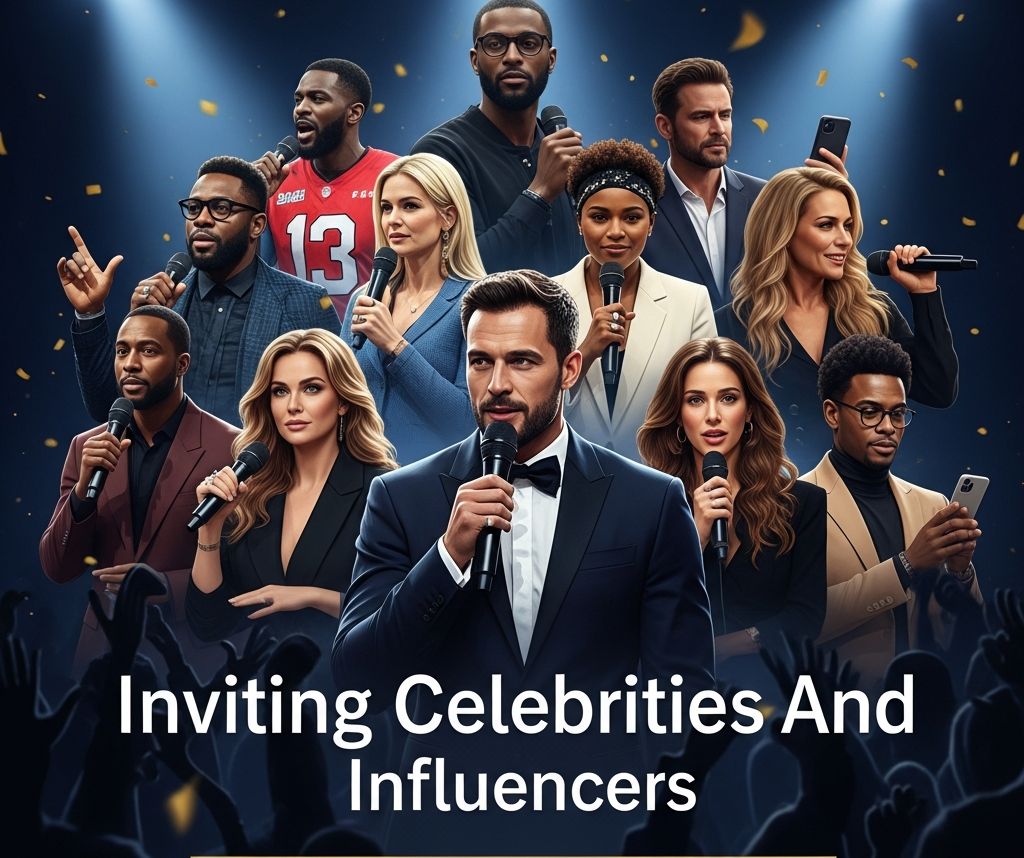
Another one of the best event marketing strategies is working with celebrities and influencers. This can raise your event’s exposure and make it more credible among the target market you are addressing. Find influencers with audiences that match your event’s demographics and whose values align with your brand. Their support is a powerful attractor because it conveys the impression that the endorsed event is trustworthy, thereby attracting more people. Contact them for an appearance, a speech, or simply a post promoting the event on their channels.
During the event, use Social Walls to showcase influencer content and attendees’ content on digital displays, creating buzz and confirming their decision to participate. This method is especially effective for consumer events, product launches, and brand activations seeking a wider audience.
Using Live Stream Options
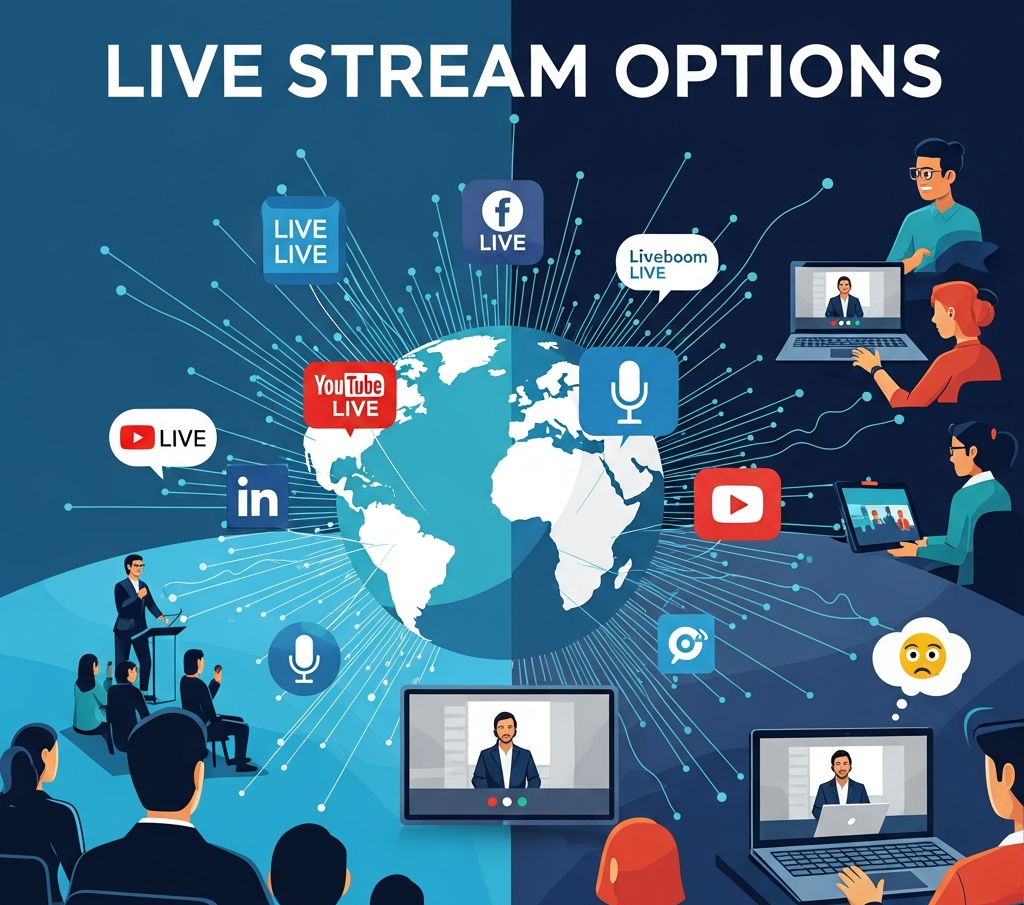
Another event marketing strategy that event marketers must know about. Live streaming extends the reach of your event beyond physical location constraints. This enables people around the world to participate remotely, increasing the total number of attendees. Streaming has become easier and cheaper thanks to services such as YouTube Live, Facebook Live, LinkedIn Live, and various webinar tools.
Hybrid events, which combine in-person and virtual experiences, satisfy diverse preferences while eliminating geographical barriers.
During the event promotion, you can broadcast keynote speeches, panel discussions, and “special moments”. This helps to make those who haven’t attended feel they are missing out (FOMO).
Cross Promotions
Cross-promotion is another prime event marketing strategy that helps you partner with brands, organizations, or influencers that align with you, expanding your marketing reach significantly without a significant increase in costs. Find partners whose customers are the same as yours, but who are not your direct competitors, sponsors, vendors, industry associations, or related businesses.
Provide each other with opportunities to promote through the email lists, social media shoutouts, website features, or bundled ticket offers.
Develop content together, such as joint webinars or blog posts that provide value and, at the same time, promote your event. This partnership strengthens community among the brands and makes your event known to highly targeted audiences with a higher probability of registering and engaging.
Create an Event Website
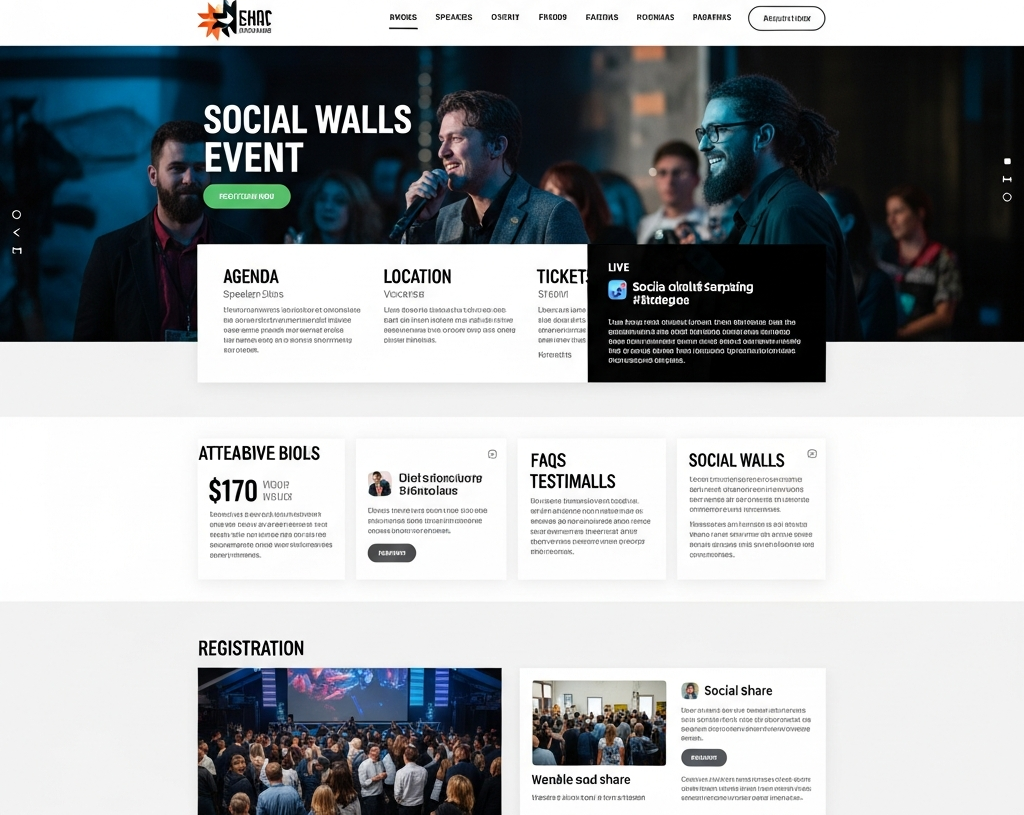
An event-specific website is the primary channel of communication and the primary conversion tool that attracts potential attendees. Write up the agenda, speakers, location details, ticket pricing, and FAQs in a user-friendly format to support your overall event marketing strategy.
Make the website mobile-friendly, as many users will access it on their smartphones. Use attractive graphics, video teasers, and statements about the event’s previous experience to create a positive feeling and build trust. Use Social Walls to display live social media buzz with the hashtag campaign, demonstrating active community engagement.
Have clear registration calls to action throughout the website, and enable social sharing so attendees can promote your event within their networks.
Add Real-Time Social Proof to Your Event Website
Display attendee conversations and build instant trust with visitors
No Credit Card RequiredUsing Pop Ups and a Landing Page
Strategic pop-ups and carefully crafted landing pages are one of the best event marketing strategies. This can turn website visitors into event attendees by drawing their attention at the most crucial moments when they are making their decisions.
In fact, pop-ups that appear at the correct times should be designed to promote early-bird discounts, offer exclusive content, or offer limited-time bonuses.
Develop focused landing pages for specific audience segments or channels of promotion with the help of targeted messages that address their interests directly.
Besides that, featuring eye-catching headlines, benefit-oriented copy, testimonials as social proof, and easy-to-find registration buttons will do the trick. Different A/B test variations should be used to improve conversion rates and registrations.
Promoting Fear Of Missing Out (FOMO)
FOMO is one of the strongest emotional motivators in event marketing strategies, driving a massive surge in event registrations by making people feel that your offer is urgent. So, you can prominently display the number of tickets left, the deadline for early-bird registration, or the exclusivity of a particular session or speaker.
Also, you can let people know how many have already registered by showing the number or a progress bar. This way, they will feel there are fewer tickets left and that time is going by very quickly.
Social Walls is there to make your live attendees’ enthusiasm visible to everyone (especially non-attendees), as well as to showcase the content of previous events’ testimonials and the event’s behind-the-scenes. This will undoubtedly delight and engage people who cannot be there to experience it. You can also display Social Walls on your event website to create a strong sense of FOMO among visitors.
Encouraging User-Generated Content
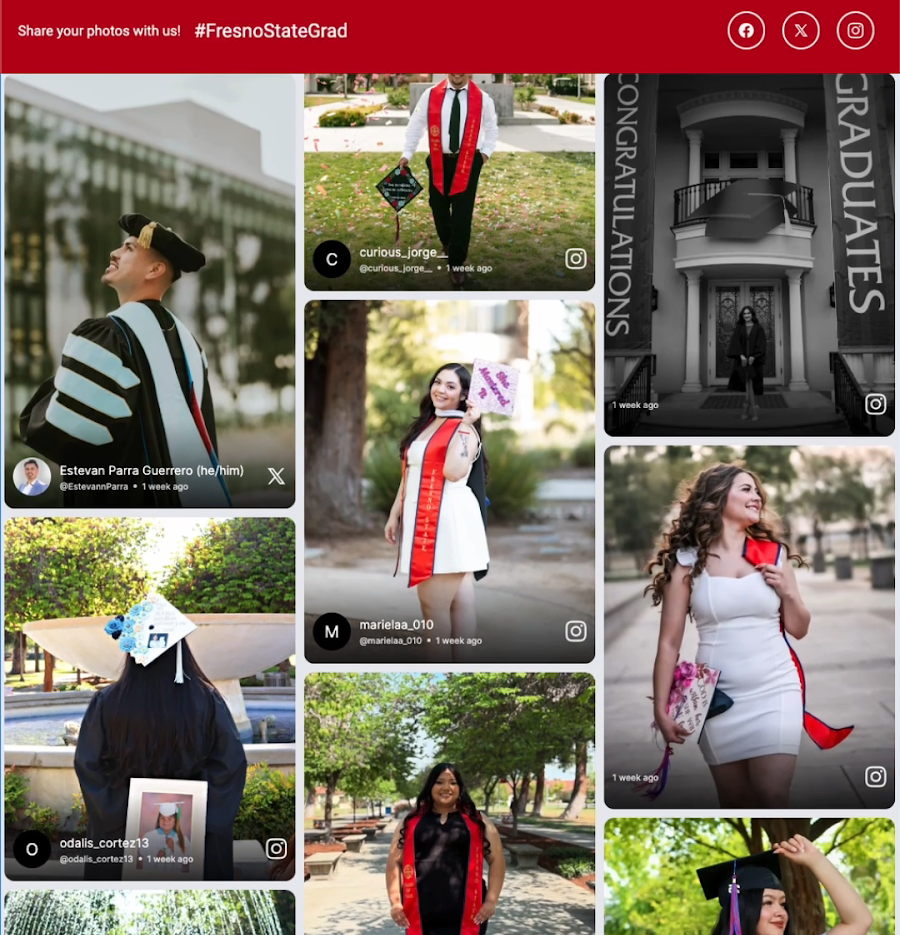
Another one of the best event marketing strategies is to encourage user-generated content. Ask your attendees to create user-generated content around your event hashtags. Make your event hashtags memorable, and promote them on various marketing channels. During the event, you can display all the user-generated content on the digital display.
To amplify the impact, use event engagement tools like Social Walls to collect and display this live content on digital screens or virtual platforms during the event. Seeing their posts appear in real time motivates attendees to share more, drives interaction, and creates a sense of community. UGC boosts engagement but also builds authenticity and social proof for your event.
Make User-Generated Content Part of the Experience
Display live posts to keep energy and interaction high
No Credit Card RequiredLeveraging Content Marketing
Content marketing helps build brand awareness and authority long before the event begins and plays a key role in effective event marketing strategies. Create blog posts, videos, podcasts, or downloadable guides related to your event theme, speakers, or industry trends. This positions your brand as a thought leader and attracts organic traffic. Gated content such as whitepapers or reports can also be used to capture leads and nurture them toward event registration.
Using Paid Search & Display Advertising
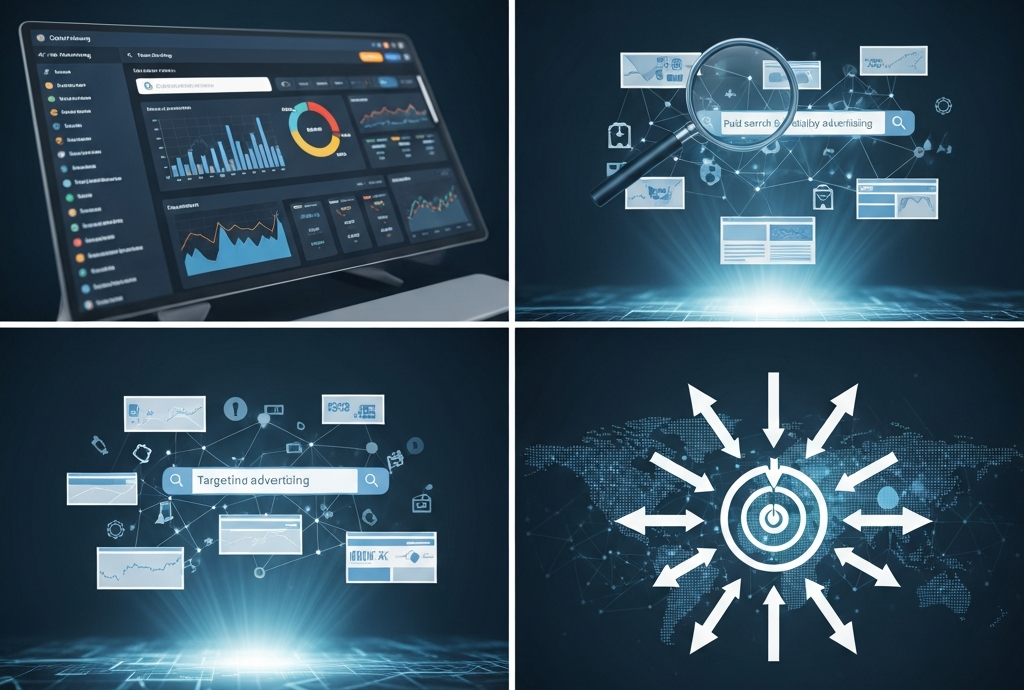
Paid search and display ads help you reach high-intent audiences actively searching for related topics or events. Platforms like Google Ads allow keyword targeting, while display ads help build awareness through visual placements. Retargeting ads are especially effective in the best event marketing strategies, reminding visitors who showed interest but didn’t register. When combined with strong landing pages, paid ads significantly improve conversion rates.
Partnering With Sponsors Strategically
Sponsors can act as powerful marketing amplifiers when used strategically as part of effective event marketing strategy. Beyond financial support, sponsors can promote the event through their email lists, social channels, and customer networks. Co-branded campaigns, speaker sessions, or exclusive sponsor-led workshops add value for attendees. This approach expands reach, reduces promotional costs, and creates a win-win relationship for both organizers and sponsors.
Using Referral & Ambassador Programs
Referral and ambassador programs turn attendees, partners, or employees into active promoters and are an important part of effective event marketing strategy. Offer incentives such as discounts, exclusive access, or rewards for every successful referral. Personal recommendations feel more authentic than ads, leading to higher-quality signups. Event ambassadors sharing their excitement on social media help extend reach organically while building trust and community around the event.
Hosting Pre-Event Teasers & Mini Experiences
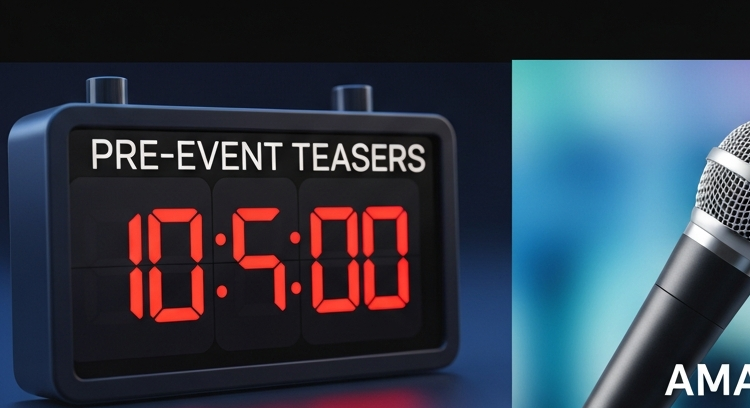
Pre-event experiences such as countdown webinars, teaser videos, AMAs, or sneak-peek sessions build anticipation and excitement. These touchpoints keep your event top-of-mind and give potential attendees a preview of the value they’ll receive. Interactive teasers also help reduce hesitation by showcasing speakers, formats, or exclusive content, ultimately increasing confidence and registration intent.
Leveraging SMS & WhatsApp Marketing
SMS and WhatsApp marketing offer direct, high-open-rate communication for event promotion. These channels work best for reminders, last-minute updates, exclusive offers, or urgent announcements. Because messages feel personal and immediate, they help reduce drop-offs and no-shows. When used responsibly and with consent, mobile messaging significantly boosts attendance and real-time engagement.
Post-Event Marketing & Retargeting
Event marketing does not end when the event concludes. Post-event strategies include sharing recordings, highlights, testimonials, and attendee-generated content to extend impact. Retarget attendees with follow-up emails, surveys, or exclusive offers to nurture leads further. This approach helps convert attendees into customers, strengthens brand recall, and maximizes the long-term event ROI of your event efforts.
Extend Your Event Impact Beyond the Day
Make attendee content visible and inspire others to join in
No Credit Card RequiredThe Final Call
Success in event marketing does not happen overnight. It is a mix of planning, using the right tool, and being present in a real way.
With the right event marketing strategies, you can host an event that becomes the talk of the town for months. Social Walls, being an event engagement tool, can help you build a top-to-bottom funnel.
Frequently Asked Questions
-
What are the most effective event marketing strategies for small budgets?
If you are working with a limited budget, focus on organic strategies like social media promotions, email marketing, and partnerships. Collaborate with influencers, encourage user-generated content, and use tools like Social Walls to spread your event buzz without heavy spending.
-
How far in advance should I start marketing my event?
Ideally, begin promotions 6-8 weeks before the event. Start with teaser posts and save-the-date emails, followed by registration campaigns, reminder emails, and countdown content closer to the event date.
-
How to Measure Event Marketing Success?
Track key performance indicators, such as registration numbers, attendance rate, social media engagement, website traffic, leads generated, and post-event surveys. Tools like Social Walls allow event marketers to use analytics or event dashboards to measure conversions and ROI.
-
Which social media platforms work best for event marketing?
The best platforms depend on your audience: LinkedIn for B2B events, Instagram and TikTok for creative or lifestyle-focused events, and Facebook for community-driven gatherings. Using platform-specific content (like Reels or LinkedIn posts) increases reach and engagement.
-
What are the best event marketing tools and platforms?
Popular event marketing tools include Social Walls, one of the best event engagement tools that also helps with UGC display. Eventbrite for registration, and Hootsuite and Tagbox for social media scheduling. Together, they streamline planning, promotion, and analytics.

Wagisha Adishree is a content writer specializing in SEO writing with a focus on marketing insights. She enjoys reading newsletters that...