 Events
  Digital Signage
  Hybrid Events
  Instagram Wall
 Twitter Wall
  TikTok Wall
 Hashtag Campaign
 Social Media Aggregator
 Linkedin Wall
 Facebook Wall
 Studio
 SnapUp
 Spotlight
 Analytics
 Moderation
 Customization
 Reactions
 Photo Booth
 Education
 Fitness
 Hospitality
 Healthcare
 Retail
 Agencies
 Sports
 Finance
 Non-profit
 News & Entertainment
 Ecommerce
 Blog
Blog Support
 Our Clients
 Integration
 Case Studies
 Get Inspired


DOOH Audience Engagement – Strategies, Tools, Metrics, and More
Author: Rohan Singh
20 minute read
Table of Content:
The DOOH market is exploding these days, spending already blew past $24 billion in 2024 and keeps climbing as digital screens take over malls, streets, transit hubs, and events. Interactive stuff is the real driver for DOOH audience engagement : moving content grabs way more eyes and attention. Moreover, viewers remember DOOH ads 60% longer than static ads.
DOOH is just digital out-of-home: any screen outside the home showing ads, videos, live feeds, whatever. Audience engagement means going beyond quick looks, getting folks to stop, scan, tap, share, or act on the spot.
Old-school static billboards fade from memory almost instantly. DOOH changes the game with real-time data, relevant messages, and direct calls to action that actually feel personal. This guide breaks down how it works, the best ways to make screens engaging, tools like social walls, how to measure success, real examples, common headaches, and what’s coming next.
What is DOOH Audience Engagement?
DOOH is short for Digital Out-of-Home; those big digital screens you walk past every day in malls, subway stations, bus stops, airports, city streets, stadiums, or even inside shops. Unlike the old paper billboards that stay the same for a month, these screens keep switching content: ads, videos, news tickers, weather info, live social media feeds, or whatever makes sense right then.
Audience engagement is the part where the screen actually gets people to stop staring blankly and do something: pause longer, pull out their phone to scan a QR code, tap the screen if it’s touch-enabled, snap a photo to share, or head straight into the store because the message hit home.
It’s not just about being seen anymore; it’s about creating a little moment that makes someone react.
The tricks that make it happen are pretty straightforward:
- QR codes that lead to a discount, contest, or app
- Touchscreens where you can poke around for more info or play a quick game
- NFC; just tap your phone for a digital coupon or link
- AI smarts that change the ad based on the time, weather, or even rough crowd vibe (without spying on anyone)
How DOOH Engagement Works
It all starts with the screen being connected to real-time info and little triggers that watch what’s happening around it.
Sensors count how many people walk by or how long they actually stand looking (that’s called dwell time). Some setups use anonymized cameras or heat maps to guess crowd size without storing any personal data. Weather apps feed in “it’s raining,” so the screen swaps to umbrella deals. Time of day changes breakfast to lunch offers. Traffic data or even footfall counters tell it when the rush hour crowd needs quick transit info mixed with a brand message.
Then you add the ways people jump in:
- Scan a big QR code, and you’re taken to a landing page, coupon, or contest entry.
- Tap an NFC sticker with your phone and get an instant digital offer.
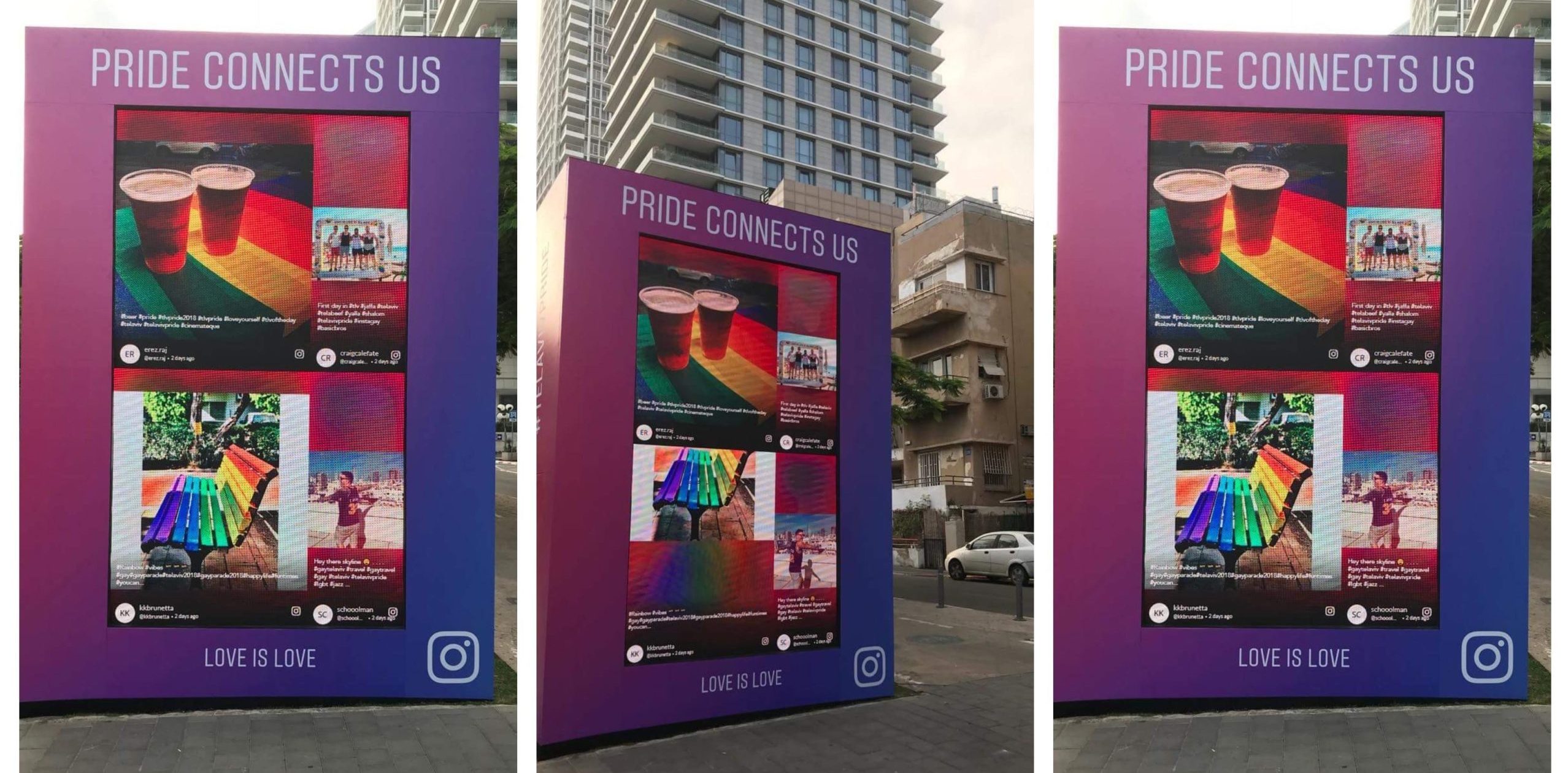
- Social walls pull in live Instagram wall or TikTok posts with the event hashtag; people see their own photo or video pop up on the giant screen and go wild, sharing more.
- Some screens let you touch and interact directly: vote in a poll, spin for a prize, or browse nearby deals.
When you put those pieces together, smart data + easy ways to respond, the screen stops feeling like an ad and starts feeling like part of what’s happening right now. That’s when people linger, interact, and remember it later.
Turn Public Screens Into Social Moments
Use live Social Walls to transform DOOH screens into real-time audience experiences

 No Credit Card Required
Key Strategies for Effective DOOH Audience Engagement
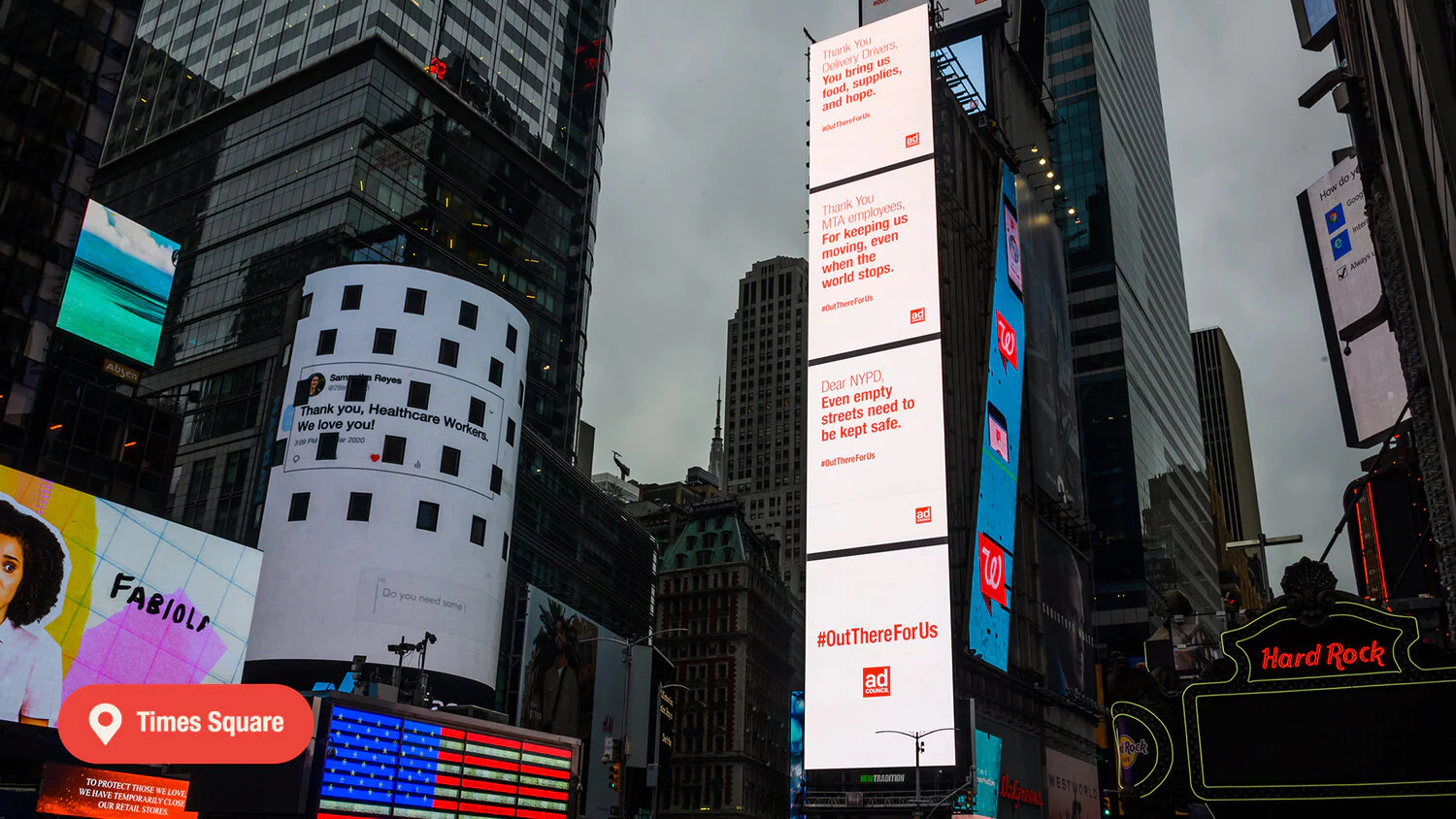
The best DOOH campaigns don’t just flash pretty pictures; they pull people in and make them want to play along. These are the main moves that actually get folks stopping, scanning, tapping, or sharing instead of just walking right past.
1. Interactive Elements
QR codes remain the easiest win; make them huge and promise something good like “Scan for 20% off” or “Enter to win tickets.” Gamification kicks it up: throw in quick polls (“Red or blue team?”), spin wheels, or AR filters, so people can try on virtual hats or makeup using their phone camera and post the silly result.
If the screen has a touch, let them swipe through options or play a 10-second game. Keep everything dead simple; nobody wants to read instructions in a crowd. When the setup feels fun and rewarding, phones come out fast, interactions spike, and people talk about it later.
2. Personalization at Scale
Screens that notice the moment do way better. Pull in weather data; sunny? Show beach gear; raining? Push indoor coffee. Time of day switches breakfast to happy hour deals. Geofencing targets people in a 100-meter bubble around the screen.
Tools like social media wall let you set these rules in the dashboard so the content auto-swaps without anyone touching it. The key is relevance; when the message matches what the person is already thinking or doing, they actually look longer and act. No need for creepy personal tracking; just smart context does the job.
3. Social Integration
Live social walls are pure energy. Set up a hashtag like #MallVibes or #FestivalMoments; people post photos or stories, and they instantly appear on the big screen for everyone to see. They spot their own pic, freak out, tag friends, and post even more.
Platforms like Social Walls filter out junk, add branded frames, and keep it safe. It’s perfect for events, retail pop-ups, or festivals because the crowd builds the content themselves. Once someone sees their post up there, the sharing snowballs, and the whole place feels alive.
4. Programmatic DOOH
This is ad buying on steroids. Platforms let you bid on screen time in real time using anonymized data; show a lunch deal to office workers at noon near a food court, or retarget someone who walked by earlier with a follow-up offer on their phone.
Bids happen in milliseconds, and content swaps instantly. Brands waste less money because the ad hits the exact right person at the right second instead of shouting at everyone. It’s especially strong in high-traffic spots where timing matters.
5. Multi-Screen Experiences
Don’t let the DOOH screen stand alone. Link it to phones or apps for a smooth handoff; scan the QR, get a push notification with the next step, then redeem in-store. Or sync with an event app so the big screen shows live poll results from everyone’s phones.
It feels like one big connected story instead of separate ads. APIs make the connection easy; one screen triggers the phone, the phone triggers the store. People stay engaged longer because the experience follows them.
6. A/B Testing & Creative Loops
Run two versions at the same time; one with big bold faces and colors, another with more text, and see which gets more looks or scans. Stick to 15-second loops max; people walking by rarely give you longer. Rotate creatives every few hours so regulars don’t tune out.
Check dwell time and QR scans to find the winner, then roll it out wider. Small changes like brighter backgrounds or a smiling person can make a massive difference in how many people actually notice and react.
7. Contextual & Real-Time Content
Match the message to what’s happening right now; rain starts, screen flips to “Stay dry with our new jackets.” Lunchtime near a mall food court? Show quick-bite deals. Local sports score pops up? Tie in team merch. When the ad feels tied to the exact second and place, people trust it more and act quicker. Real-time feeds keep it fresh, so no one feels like they’re seeing the same thing over and over.
8. Interactive Creative Formats
Move past plain ad; run polls (“Vote your favorite flavor!”), quizzes, or AR try-ons, where people scan and see themselves in virtual clothes or accessories. Touchscreens let them browse products or spin for prizes. These keep people standing there longer because it’s entertaining, not just selling. The extra time gives the brand message a better chance to land.
9. QR-Led Engagement Funnels
Make the QR the star; big, colorful, with a clear promise like “Scan for free coffee.” It leads to a fast page with the offer, sign-up form, or mini-game. Every scan gets tracked, so you know exactly how many people went from screen to action: coupon used, email grabbed, app downloaded. It’s the cleanest way to turn a glance into a real conversion.
10. UGC-Powered DOOH Campaigns
Hand the content over to the crowd; they post with your hashtag, it shows up live on the wall, and they snap a pic of themselves on the giant screen. It spreads fast because everyone wants that spotlight moment. Social Walls keeps it clean with moderation and branded overlays. The campaign grows as more people join to get featured.
11. Multi-Screen & Omnichannel Integration
Connect the dots; scan the DOOH, get a digital coupon in your phone wallet, and redeem it later in the store. Or link to an event app for personalized directions or next steps. It creates one long experience instead of random ads. The brand stays in mind from the sidewalk all the way to the purchase.
Add Social Energy to Your DOOH Strategy
Apply proven DOOH engagement tactics that get people scanning, tapping, and sharing
No Credit Card RequiredDOOH Audience Engagement Use Cases
DOOH audience engagement changes how brands connect in real-world spaces, and each industry uses it a little differently to get the best results. Here’s how digital out of home audience engagement plays out across the main sectors, with practical examples of screens driving interaction, footfall, and brand moments.
Retail
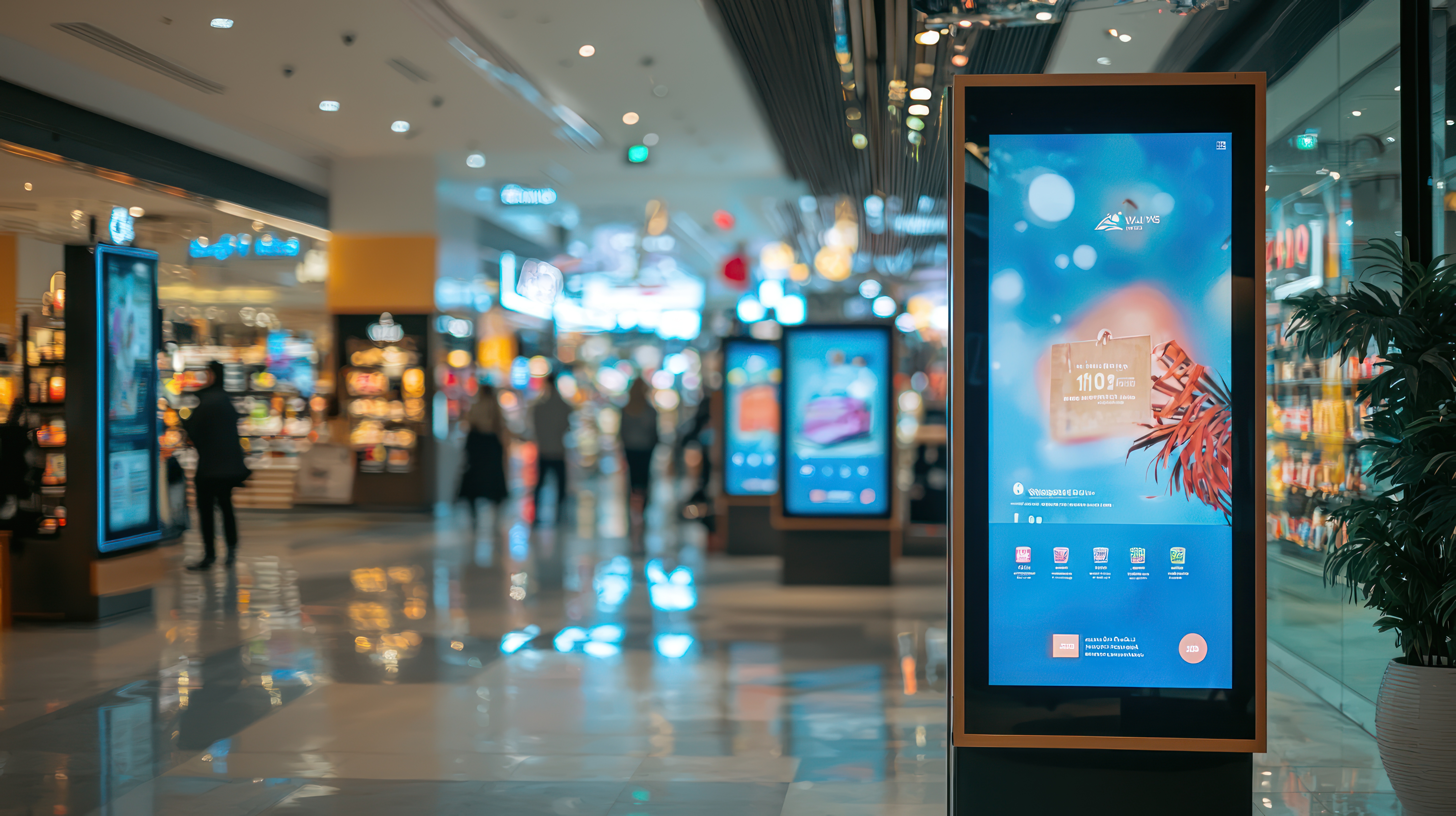
- In-store screens, window displays, and mall DOOH are built to drive footfall and spark impulse actions right away. A window screen can flash “Scan for 20% off now” with a big QR code, pulling people off the street into the store.
- Inside, mall kiosks or end-cap screens run live social walls showing customers’ posts with the store hashtag, making shoppers feel part of the vibe and encouraging more photos and shares.
- The DOOH audience engagement here is fast and direct – people see a deal that matches what they’re already thinking about, scan, and walk in.
- Retailers love it because the lift in traffic and same-day sales is easy to track. When the screen feels helpful instead of pushy, impulse buys jump.
Events & Experiential Marketing
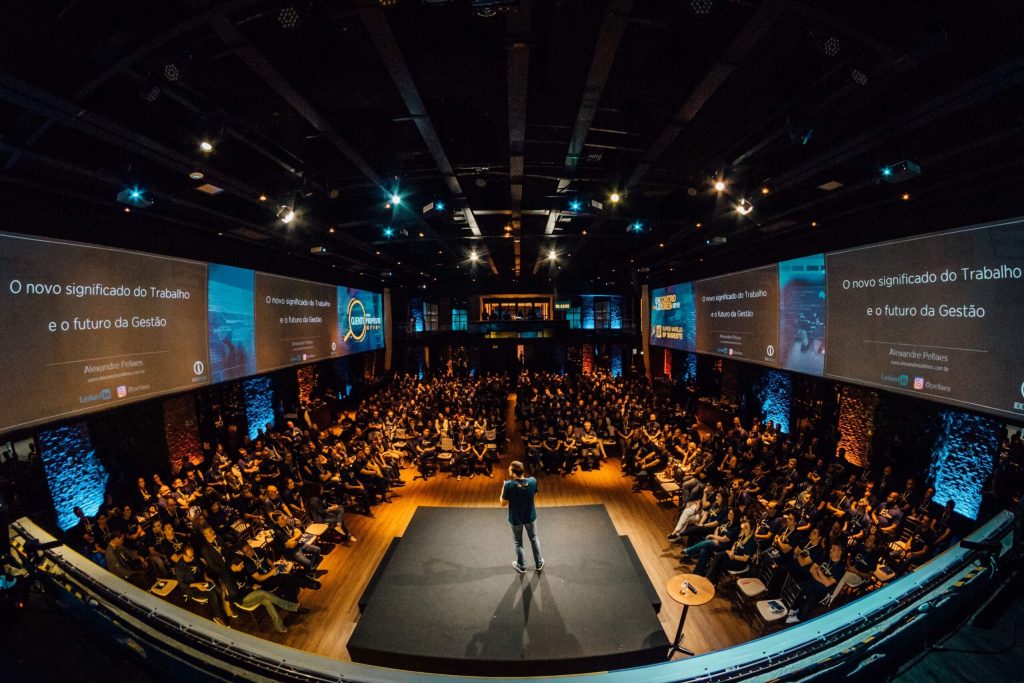
- Events live or die by energy, and live social walls are one of the strongest DOOH audience engagement tools out there.
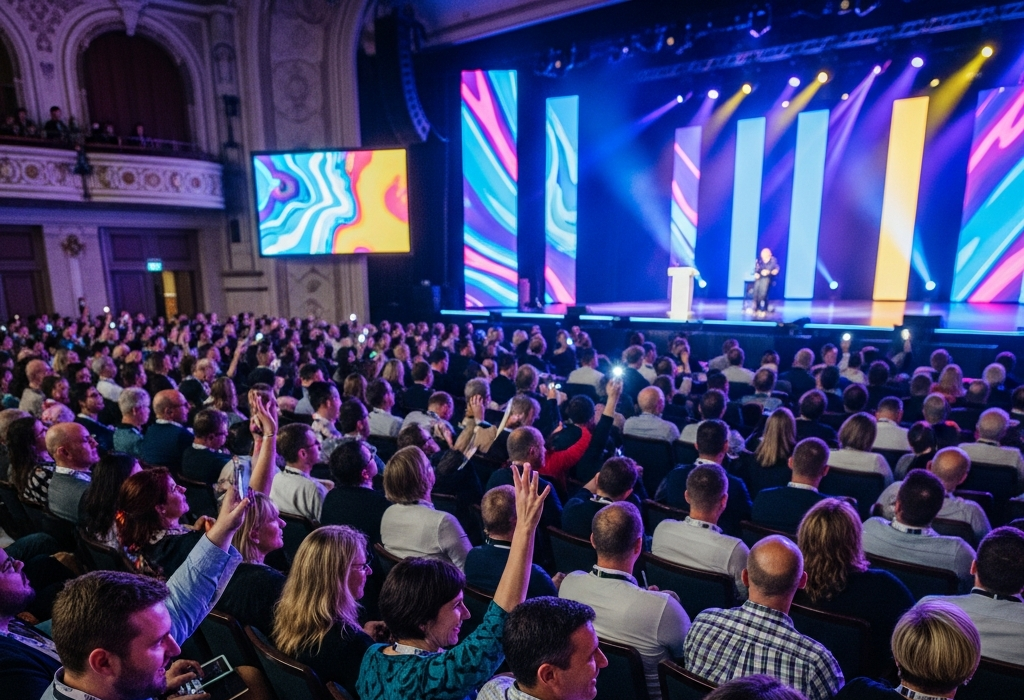
- Set up a big screen that pulls in real-time Instagram, TikTok, or X posts using the event hashtag – attendees post their outfit, a moment, or a story, and it appears instantly for the whole crowd to see. People spot their own content, get excited, tag friends, and post even more.
- Platforms like Social Walls keep it clean with moderation and add branded frames. The result is huge digital out of home audience engagement – the audience creates the atmosphere, the brand gets free UGC, and the whole event feels alive and shareable long after it ends.
Transportation & Smart Cities
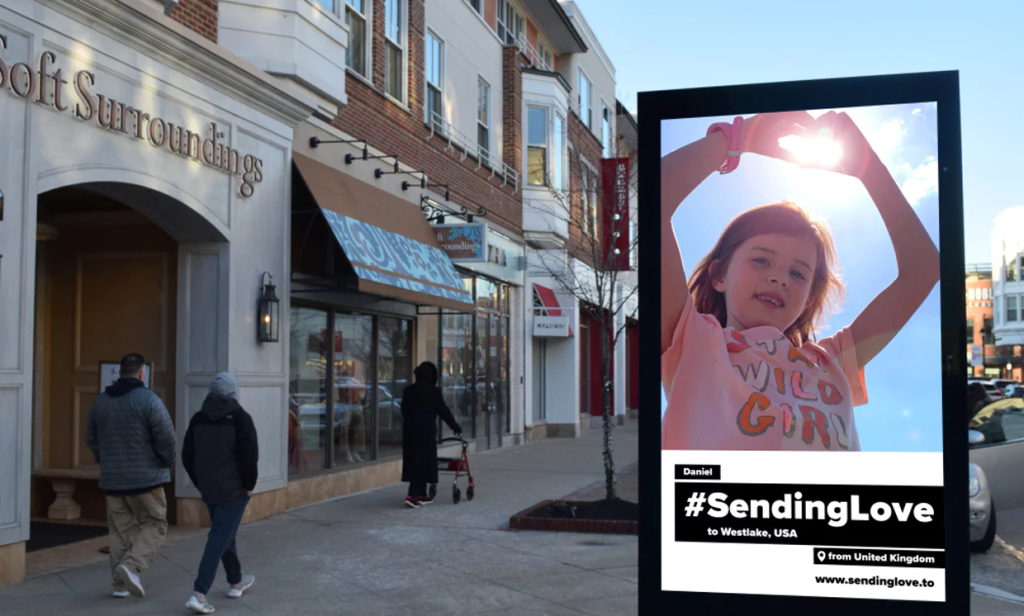
- Airports, metro stations, bus shelters, and street screens blend useful information with smart DOOH audience engagement. Flight updates or train times appear alongside targeted brand messages – a rainy morning shows nearby café deals, rush hour pushes quick transit passes.
- Bus shelters add QR codes for instant ticket buys or ride-share discounts. The hybrid approach works perfectly here because people are already waiting or looking for info – they glance at the screen for practical stuff and end up interacting with the ad too.
- This kind of digital out-of-home audience engagement feels natural, not forced, so response rates on QR scans or taps stay high in high-traffic spots.
Hospitality & Entertainment
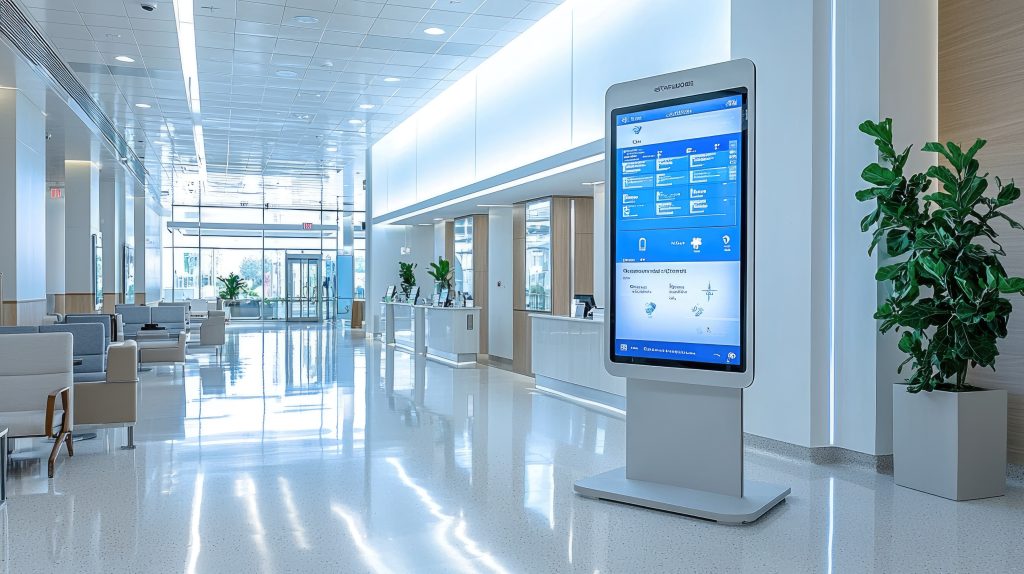
- Hotels, cinemas, stadiums, and theaters use DOOH audience engagement to create branded experiences and sponsorship moments that feel premium. Hotel lobbies run welcome screens with live social walls of guest check-ins or local tips.
- Stadium jumbotrons show sponsor polls (“Best goal of the night?”) or fan reactions during breaks. Cinema concessions push combo deals with QR codes for fast ordering.
- Guests get that “this place knows me” feeling, which builds loyalty and upsell. Sponsorships pop here too – a brand takes over the screen for a quick highlight reel with their logo, and the crowd engages because it’s part of the fun.
Corporate & Campus Screens
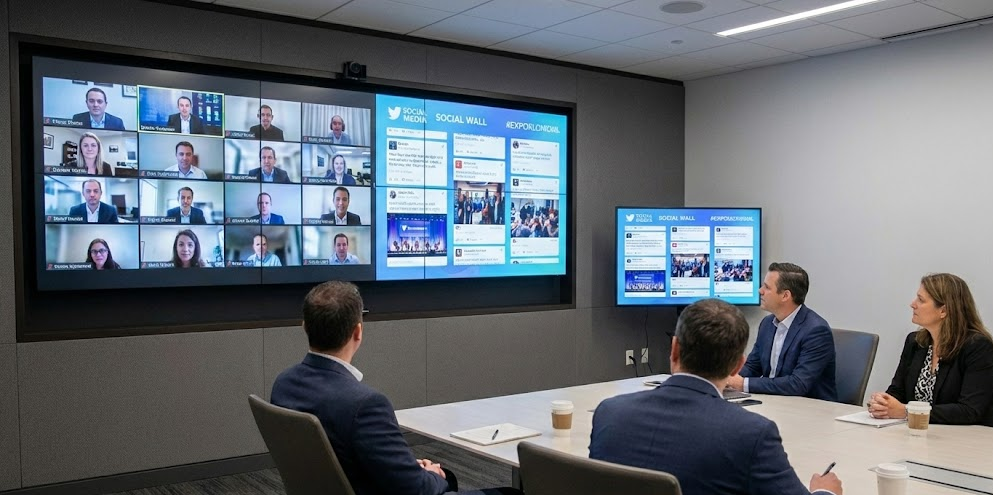
- Inside offices, universities, or campuses, screens handle DOOH audience engagement for internal connection, announcements, and employer branding. Lobby displays show company wins, employee shout-outs, or live social walls from team events.
- Campus boards run student polls, club reminders, or UGC from campus hashtags. It keeps everyone in the loop without feeling like corporate spam – staff feel recognized, students stay informed, and the whole place looks modern.
- Even small daily interactions (a quick poll or shout-out) build a stronger culture over time. This quiet digital out-of-home audience engagement works because it’s relevant to the people who see it every day.
These examples show how DOOH audience engagement and digital out of home audience engagement adapt to fit the space, the crowd, and the goal – whether it’s quick retail sales, viral event buzz, or steady internal connection. The common thread is making the screen useful or fun, so people want to interact instead of ignoring it.
One Tool. Multiple Use Cases
Social Walls adapt easily across malls, events, public spaces and more
No Credit Card RequiredEssential Tools for DOOH Audience Engagement
To make DOOH audience engagement and digital out-of-home audience engagement really work, you need tools that handle live content, moderation, scheduling, targeting, measurement, and integrations smoothly. Here are some of the strongest tools used in the industry right now:
1. Social Walls
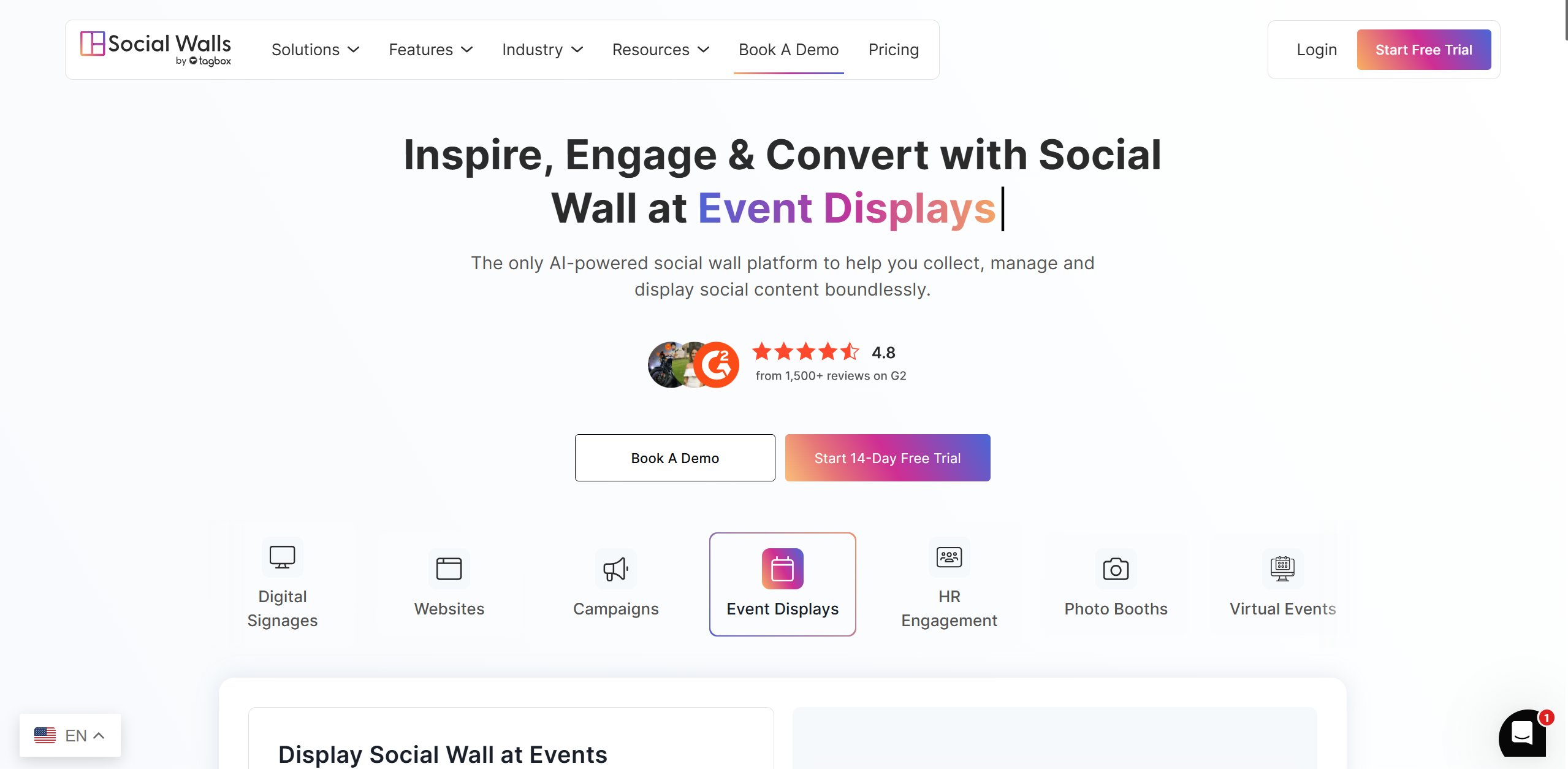
Social Walls is built specifically for turning social content into big, live displays that boost interaction in real-world spaces. It’s perfect for events, retail, conferences, or any DOOH setup where you want people to see their own posts or stories appear instantly on screens, creating that viral energy and encouraging more shares. The platform collects UGC in real time, keeps everything safe and on-brand, and works across digital signage, projectors, jumbotrons, or even websites without losing quality. Brands love it for events because it turns passive viewers into active participants fast.
- AI-powered moderation to filter out spam or off-brand content automatically
- Real-time collection and display from 15+ social platforms (Instagram, TikTok, Facebook, X, LinkedIn, etc.)
- Hashtag tracking, mentions, or direct feed pulls for live walls
- Custom layouts, branded frames, overlays, and themes
- Gamification features like polls, reactions, leaderboards, and spotlighting top posts
- Analytics for impressions, participation, UGC volume, and engagement tracking
- Easy embedding on digital signage, DOOH, events, or websites
- SnapUp/QR code collection for direct user uploads at venues
Broadsign
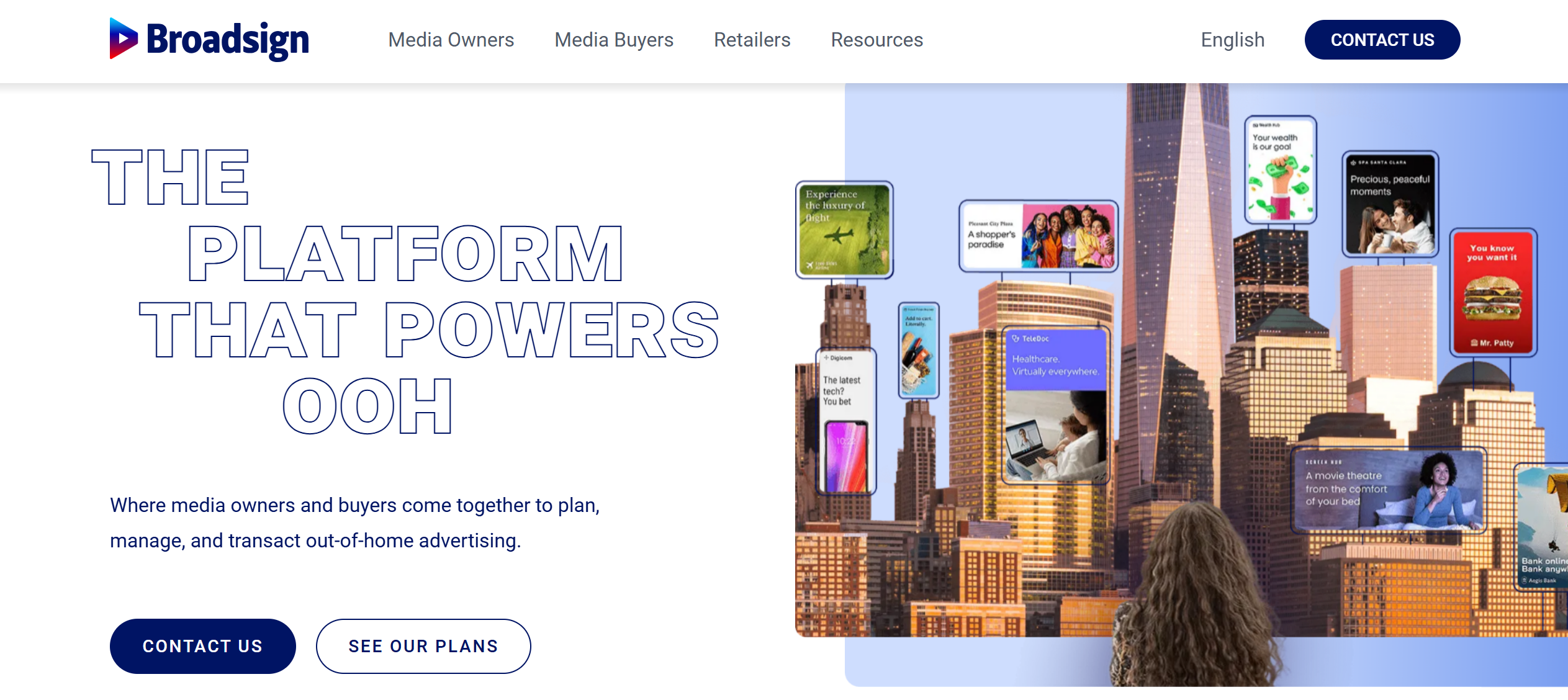
Broadsign is one of the biggest CMS platforms for managing large-scale DOOH networks around the world. Media owners and operators use it to control thousands of screens, schedule campaigns, swap content in real time, and run programmatic deals. It’s trusted for handling everything from basic playlists to advanced targeting and reporting, making it a go-to for big networks that need reliability and scale.
- Scheduling and content distribution across massive networks
- Real-time programmatic buying and bidding
- Weather, time, and location-based content triggers
- Proof-of-play and performance reporting
- Category exclusions and content separation
- Integrations for social feeds and interactive elements
- High uptime and enterprise-grade security
ScreenCloud
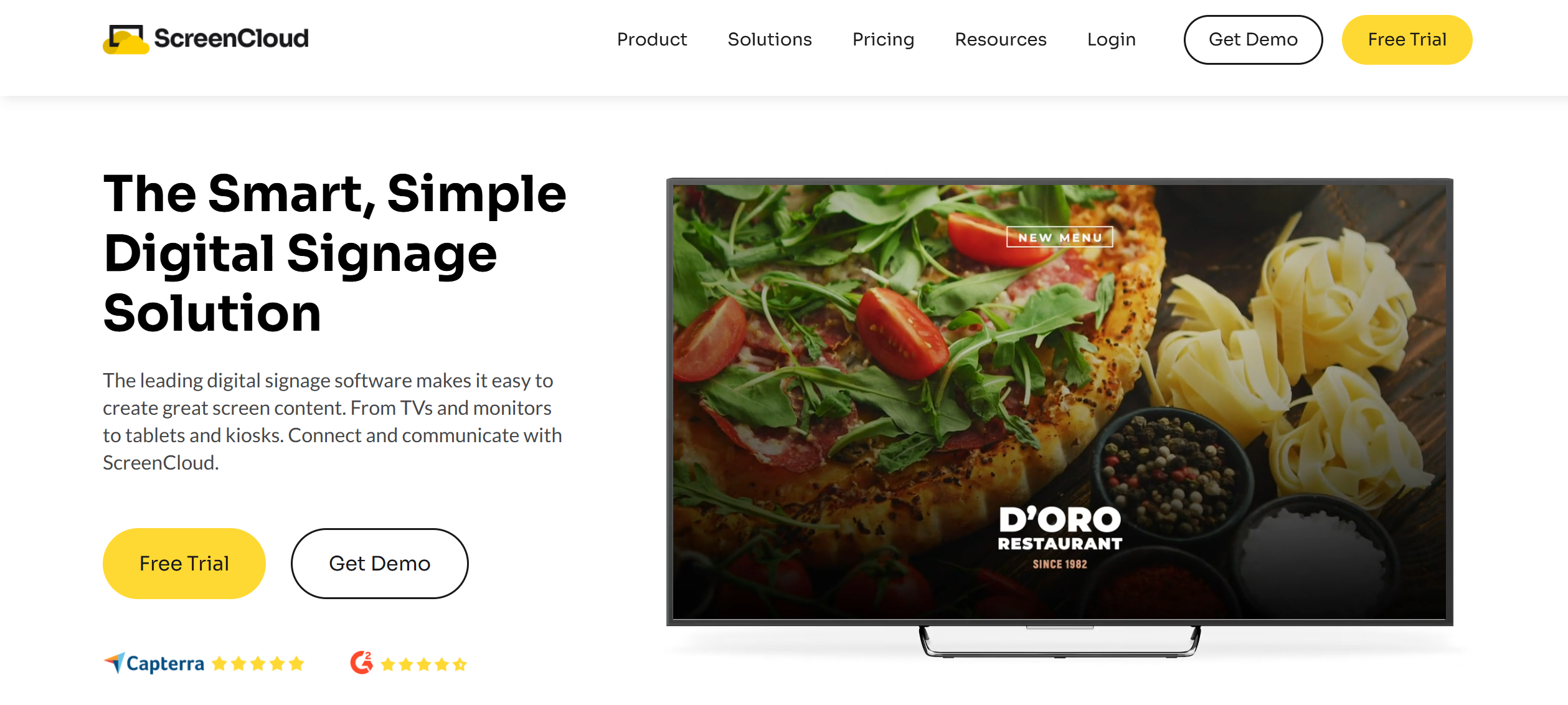
ScreenCloud is a cloud-based digital signage CMS that’s easy to use for smaller to mid-size DOOH or indoor setups. It works on almost any hardware (smart TVs, media players, etc.) and lets teams manage multiple screens remotely with a simple drag-and-drop interface. Great for businesses that want a quick setup without complicated tech.
- Drag-and-drop content creation and playlist scheduling
- Remote management for multiple locations/screens
- Built-in apps for weather, social widgets, and dynamic content
- Centralized control and real-time updates
- Hardware-agnostic (works with existing TVs or players)
- User permissions and team collaboration tools
Vistar Media
Vistar Media is the leader in programmatic DOOH, connecting buyers and sellers for real-time ad transactions. It powers planning, targeting, delivery, and measurement across huge networks, using mobile data and other signals for precise audience reach without being invasive.
- Real-time bidding and programmatic marketplace
- Granular geotargeting and audience selection
- Dynamic campaign optimization
- Footfall attribution and performance tracking
- Reach/frequency measurement
- Full transparency and proof-of-play
Place Exchange
Place Exchange (now part of Broadsign) is a powerful SSP for programmatic DOOH. It helps media owners sell inventory and buyers purchase it with advanced targeting, planning, and measurement tools. It focuses on transparency, standardization, and making DOOH feel like other digital channels.
- Advanced programmatic guaranteed deals
- Geospatial targeting and dynamic bid triggers
- Reach/frequency controls
- Per-screen audience data and attribution
- Inventory standardization for consistent buys
- Full reporting and proof-of-play
Quividi
Quividi brings privacy-safe AI audience measurement to DOOH. It uses anonymized computer vision (no faces stored) to track how many people see the screen, how long they look (dwell time), and basic engagement metrics, all GDPR-compliant. It’s used to optimize content and prove real impact.
- Real-time impressions and engagement analytics
- Dwell time and attention tracking
- Anonymized demographic insights
- Audience per content reports
- Integration with CMS for content triggers
- IAB-compliant impression multipliers
Measuring DOOH Audience Engagement
Tracking DOOH audience engagement is what turns pretty screens into proven event ROI. Without good measurement, you’re guessing whether the big investment actually moved the needle on footfall, sales, or brand love. The good news is modern DOOH gives you solid data points to see exactly how many people noticed, lingered, interacted, and acted.
Core metrics give the big picture:
- Engagement rate — number of interactions (scans, taps, shares) divided by total impressions.
- Conversion rate — how many of those interactions led to real actions like site visits, purchases, or sign-ups.
- Uplift in brand lift — measured through quick post-exposure surveys asking if people remember the ad or feel more positive about the brand.
Key Engagement Metrics
Measuring DOOH audience engagement plays a vital role in making future plans and determining the performance of current plans. Here are some of the key metrics that can help you measure the same.
- Dwell time: How long people actually stand looking at the screen (in seconds). Longer dwell time means the creative held attention – aim for 10+ seconds in busy areas as a strong sign of success. Tools like Quividi track this anonymously.
- Interaction rate: Percentage of impressions that led to an action – QR scan, touchscreen tap, NFC contact, or social share. Even 1-2% is excellent in high-traffic public spots; higher rates show the creative really worked.
- QR scans & clicks: Direct count of how many people scanned the code or clicked interactive elements. This is the cleanest metric because it’s a clear, trackable action that leads to the next step in the funnel.
- Social mentions & UGC volume: Number of posts, shares, or tagged content that appear after the campaign (especially with live social walls). A spike in hashtag use or UGC shows organic amplification – Social Walls analytics can track this volume in real time.
- Footfall lift: Increase in store visits or event attendance after exposure. Measured by comparing foot traffic data (sensors, mobile signals) in the screen area versus control zones.
- Conversion attribution: Linking the DOOH impression to a final sale or action, usually through unique promo codes, app downloads, or in-store redemptions tied to the campaign.
Attribution Models for DOOH
- Location-based attribution: Uses anonymized mobile data to see how many people who saw the screen later visited the store or event. Vistar Media or Place Exchange excel here, matching impressions to footfall without personal IDs.
- Mobile retargeting: If someone scans a QR or interacts, you can retarget them later on their phone with follow-up ads. This creates a full loop – see the screen, scan, get reminded, convert.
- Brand lift studies: Run surveys before and after the campaign (via panels or quick polls) to measure changes in awareness, consideration, or favorability. It’s the gold standard for proving emotional impact beyond direct actions.
Measure What People Actually Engage With
Track posts, participation, and interaction from Social Wall campaigns
No Credit Card RequiredReal-World Case Studies: DOOH Engagement Wins
Real stories show how DOOH audience engagement actually moves the needle – from massive traffic spikes in retail to viral moments at events. Here are a few standout examples that highlight what works in digital out-of-home audience engagement.
Retail Example: Mall Campaign with Social Walls
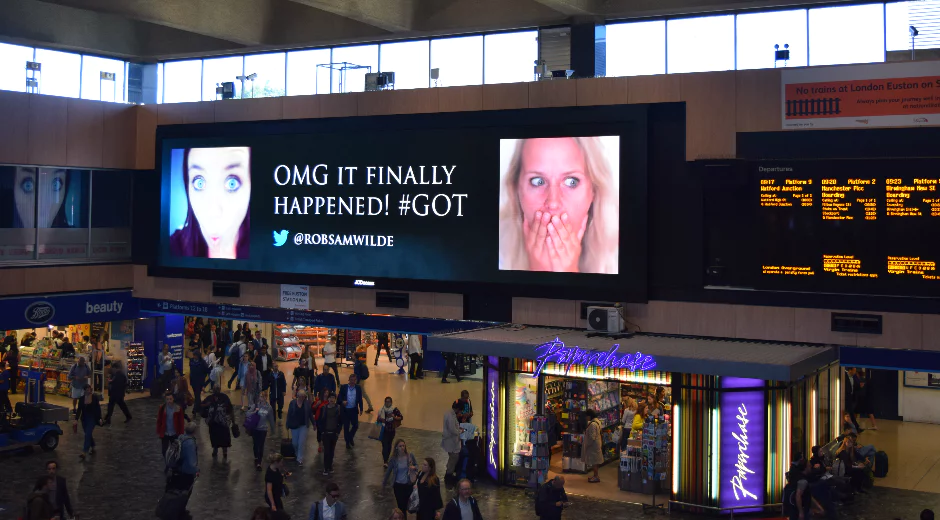
A major fashion brand ran a holiday activation in a busy shopping mall using large digital screens in high-traffic areas. They set up live social walls that pulled in Instagram and TikTok posts tagged with their campaign hashtag. Shoppers posted outfit photos, saw them appear instantly on the big screens, and shared even more to get featured. The screens also showed QR codes for instant discounts on items in the posts. Result: footfall inside the stores jumped up compared to the previous week, with a big spike in same-day sales. The DOOH audience engagement came from making customers feel like stars – they weren’t just seeing ads, they were part of them.
Event Tech Success: Conference Using Live Social Walls
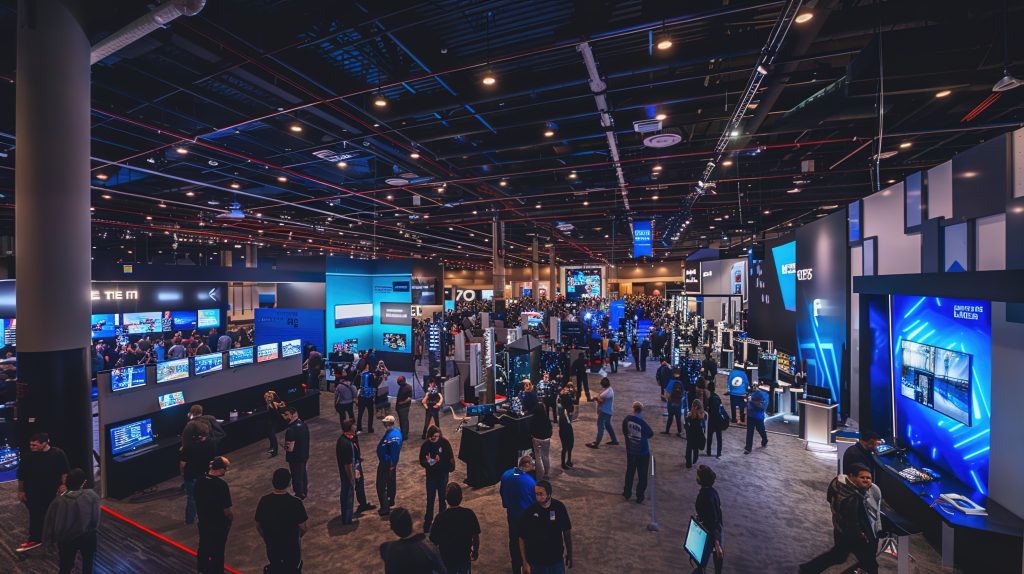
A large tech conference wanted to keep the energy high during sessions and breaks. They placed multiple big screens around the venue connected to Social Walls, displaying real-time X (Twitter) feed and Instagram posts with the event hashtag. Attendees tweeted thoughts, shared selfies, or posted session highlights – everything appeared live with branded overlays and moderation to keep it clean.
The screens became a central hub; people gathered to watch their posts pop up, took photos of the screens, and shared those too. Over the three-day event, the campaign generated huge engagements (likes, shares, comments, and new posts). The digital out-of-home audience engagement turned a standard conference into a buzzing, shareable experience that extended far beyond the venue.
Transit Hub: Programmatic DOOH in Airports
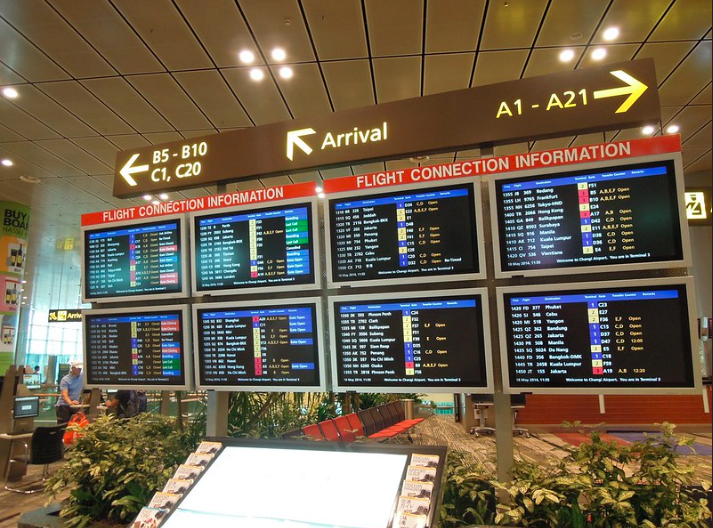
An airport network ran a programmatic DOOH campaign for a travel brand. Screens in terminals and gates used real-time data to show personalized offers – weather-triggered hotel deals, time-of-day flight connection tips, or duty-free promotions based on gate locations. Each ad included a unique QR code linking to a fast mobile landing page. Travelers scanned while waiting, and redemption rates (bookings or purchases) hit more than the average for those who scanned. The DOOH audience engagement worked because it combined useful info (flight status) with timely offers, making the screen feel helpful instead of interruptive.
Want Results Like These?
Use Social Walls that turn campaigns into share-worthy experiences
No Credit Card RequiredConclusion
DOOH audience engagement and digital out of home audience engagement have moved way past simple flashing ads. With the right mix of interactive elements, real-time triggers, social integration, and solid measurement, screens in public spaces become powerful tools that drive footfall, spark conversations, and deliver measurable results. Whether you’re running a mall campaign, amplifying an event, or adding life to a transit hub, the key is making the experience feel personal, timely, and fun – so people want to interact instead of ignoring the screen.
Frequently Asked Questions
-
What is DOOH audience engagement?
DOOH audience engagement means getting people to actively interact with digital out-of-home screens – scanning QR codes, tapping touchscreens, sharing content, or taking action – instead of just walking by.
-
How is DOOH engagement measured?
DOOH engagement is measured through dwell time (how long people look), interaction rate (scans/taps), QR scans & clicks, social mentions/UGC volume, footfall lift, and conversion attribution using tools like Vistar Media or Quividi.
-
How to integrate social media with DOOH?
Use platforms like Social Walls to embed live Instagram, TikTok, or X feeds on DOOH screens. Set up a hashtag; people post, their content appears in real time, and they share more – creating a viral loop.
-
What industries benefit most from DOOH engagement?
Retail sees impulse buys and footfall spikes, events get massive participation through live social walls, transportation blends info with offers, hospitality builds branded moments, and corporate/campus setups boost internal connection.
-
How does QR code engagement work in DOOH?
Screens display large, clear QR codes with a promise (discount, contest, info). People scan with their phone, land on a fast page for the offer or action, and every scan is tracked for direct measurement of response.
-
Is DOOH audience data privacy-safe?
Yes – modern DOOH audience engagement uses anonymized sensors, no personal IDs stored, and full GDPR/CCPA compliance. Opt-in only, de-identified data, and privacy-first tools keep everything safe and trustworthy.

Rohan Singh is a dedicated content associate and writer with a passion for crafting compelling narratives that engage and inspire readers....