 Events
  Digital Signage
  Hybrid Events
  Instagram Wall
 Twitter Wall
  TikTok Wall
 Hashtag Campaign
 Social Media Aggregator
 Linkedin Wall
 Facebook Wall
 Studio
 SnapUp
 Spotlight
 Analytics
 Moderation
 Customization
 Reactions
 Photo Booth
 Education
 Fitness
 Hospitality
 Healthcare
 Retail
 Agencies
 Sports
 Finance
 Non-profit
 News & Entertainment
 Ecommerce
 Blog
Blog Support
 Our Clients
 Integration
 Case Studies
 Get Inspired


Social Listening Examples to Boost Your Marketing Strategy
Author: Wagisha Adishree
7 minute read
Table of Content:
In a world flooded with hashtags, viral memes, and 24/7 social feeds, it’s more complicated than ever for brands to connect with their audience genuinely. Amid this constant stream of posts and reactions, what if you could tune in and uncover not just who’s talking about your brand, but truly understand what they feel, need, and want?
This is where social listening transforms your marketing, from guessing what matters to knowing and acting in real time. Brands using social listening don’t just hear the noise; they turn online buzz into business wins, shape product launches, and even avert potential PR crises before they spiral out of control.
Looking for some social listening examples? We are here to help. In this blog, we are going to discuss some groundbreaking social listening examples you must be aware of as a brand. Meanwhile, we also discuss some of the main points of social listening examples.
Let us get into it.
What is Social Listening?
Social listening is the process of analyzing digital conversations and trends happening around labels, products, and industry topics that matter to your business. Unlike social monitoring, which tracks and responds to direct brand mentions, social listening digs deeper, using AI-powered platforms and sentiment analysis to interpret meaning, identify patterns, and predict next steps.
It’s both a real-time tactical play reacting to comments as they happen and a strategic tool for reputation management, campaign planning, and even product innovation. All of these can reshape your future roadmaps.
Social Monitoring: Focuses primarily on engagement activities, such as replying to comments and handling customer complaints as they occur.
Social Listening: Looks at big-picture conversations, analyzing emerging trends, broader public sentiment, and opportunities that impact long-term strategy.
Top Social Listening Examples That Drive Marketing Success
Here are some of the social listening examples that show how major brands have turned digital conversations into decisive marketing moves.
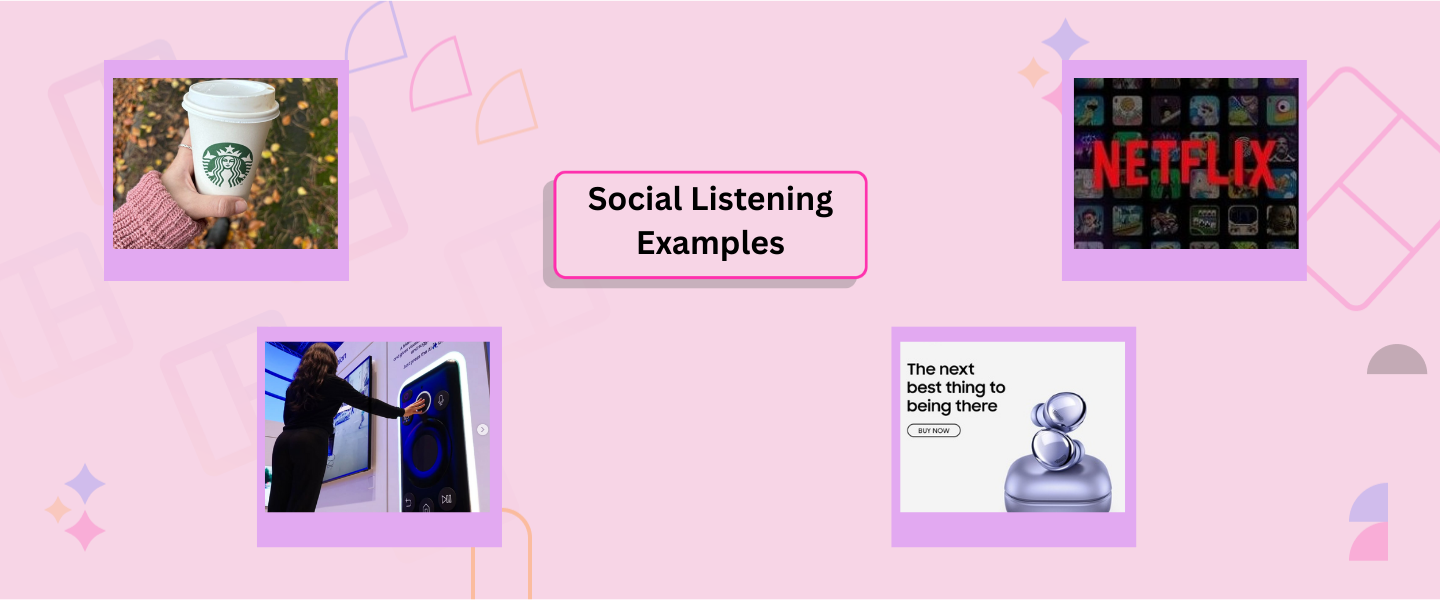
1. Starbucks – Tracking Emerging Customer Trends

Thanks to social listening, Starbucks solidified the Pumpkin Spice Latte (PSL) as a cultural phenomenon. In the early 2000s, consumer buzz on social media about fall flavours and pumpkin-themed treats revealed growing demand.
As one of the strongest social media listening examples, Starbucks didn’t just track PSL mentions; they monitored entire seasonal food trends and the surrounding emotional conversations. When data showed overwhelming excitement (and a touch of nostalgia), they aligned their yearly product launch, coordinated influencer campaigns, and tweaked recipes based on direct consumer feedback.
The result: an annual spike in sales, millions of PSL-focused social posts, and a product with near-mythical brand status.
The Takeaway: Social listening can fuel both product innovation and timely campaigns by acting directly on what customers want, even before they formally request it.
2. McDonald’s – Multi-Platform Listening Viral Marketing
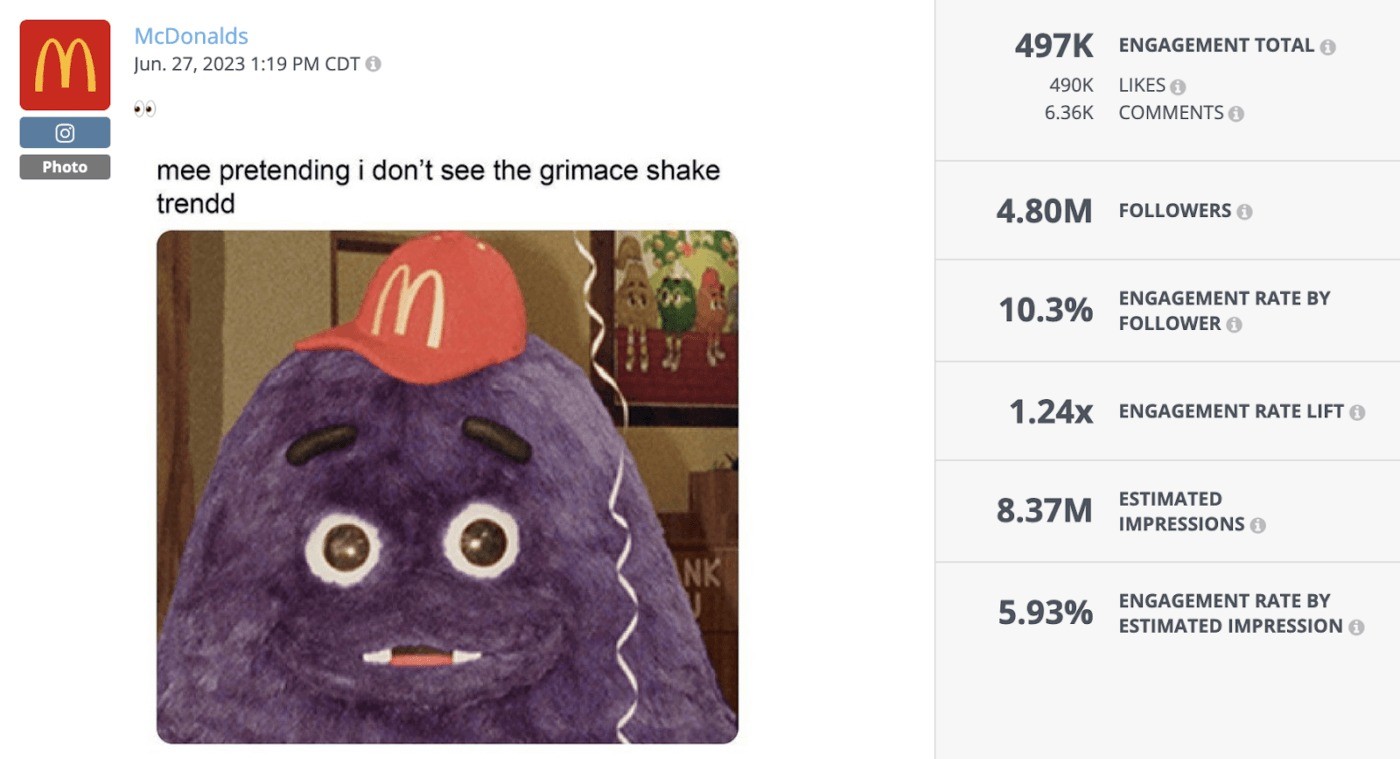
When McDonald’s noticed fans reminiscing online about classic sauces and discontinued menu items, they harnessed cross platform social listening insights to revive products, like the limited-edition Szechuan sauce.
This remains one of the most viral social media listening examples because McDonald’s monitored not just direct mentions but also viral memes and fan forums, McDonald’s timing and communication adapted in real time.
This resulted in widespread viral engagement and nationwide sellouts.
The Takeaway: Broader monitoring beyond your official channels can surface fan-favorite ideas, which lets you capitalize on nostalgia or viral trends that might otherwise go unnoticed.
3. Samsung – Competitive Listening to Launch Response Campaigns

Another strong examples of social listening you should be aware of is by Samsung. Samsung leveraged social listening to track conversations about both its own brand and competitors. Analyzing discussion around new product launches, feature wishlists, and pain points expressed by rival device users, Samsung shaped the messaging for its own launches.
This helps you choose which features to highlight that consumers felt were missing elsewhere.
The strategic use of listening platforms allowed Samsung’s campaigns to take a proactive (rather than reactive) edge, resulting in stronger market positioning and customer conversion.
Takeaway: Listening to competitors and your audience helps identify gaps, frame responses, and ensure your messaging stays a step ahead.
4. Netflix – Spotting Content Trends Before They Peak
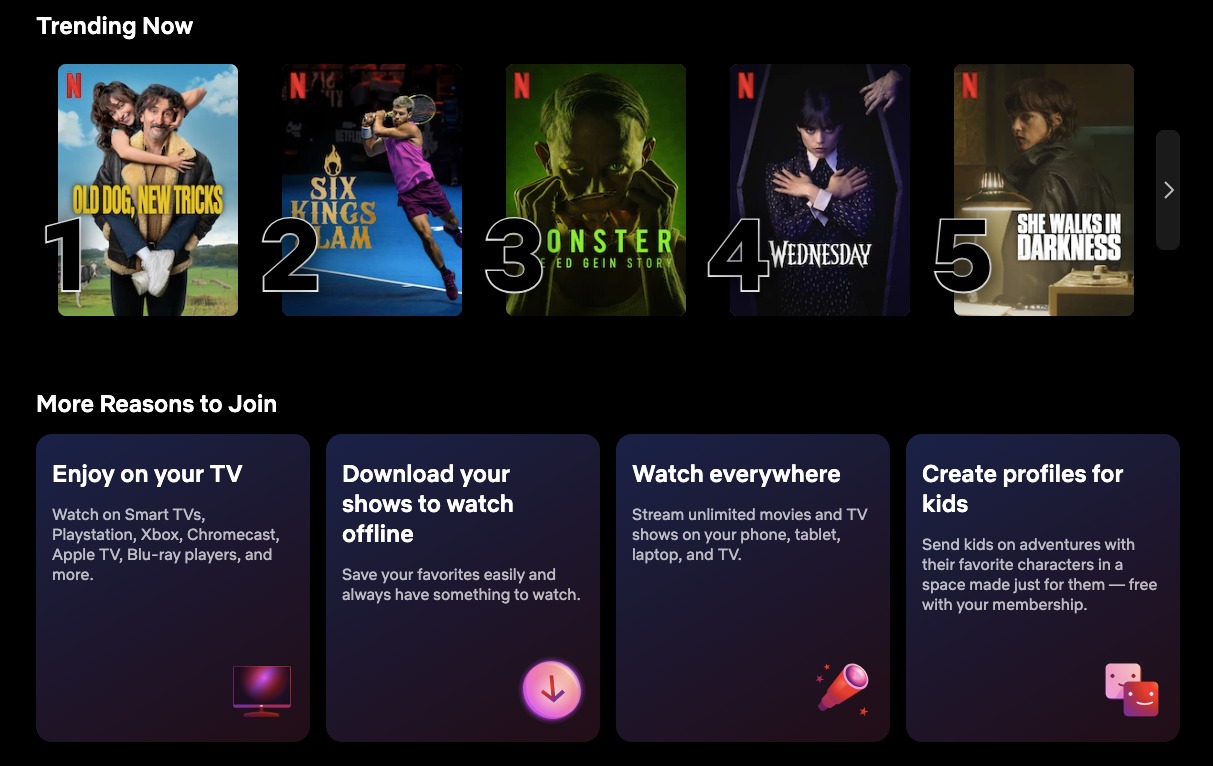
Netflix is a pro at using real-time social listening to stay ahead of audience demand. They actively track fan theories, genre preferences, character reactions, and even international buzz to understand what viewers are gravitating toward.
These insights help them decide which shows deserve renewals, which storylines to amplify, and which titles should get aggressive promotion before they naturally trend.
Stay Ahead With Smarter Social Insights Like These Brands
Use insights to shape campaigns your audience actually wants

 No Credit Card Required
How to use social listening for your brand
Now that you have seen the examples of Social Listening, let’s turn steps into actions for your brands. Here is how companies looking for brand awareness should leverage social media listening :
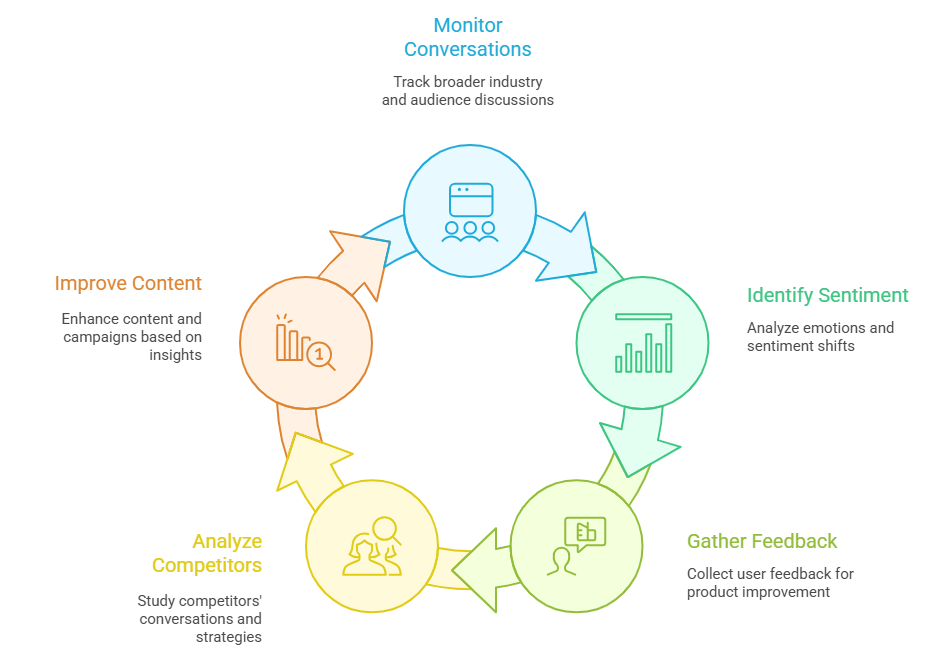
Monitor More Than Mentions
To leverage social listening, you have to go beyond direct tags and dive into the broader conversation happening in your niche. Track related hashtags, trending industry, keywords, topic clusters, and event-driven chatter to understand what your audience is thinking, even when they are not talking to you.
This broader view helps you detect emerging opportunities early. Social Listening Tools like Social Walls make this easier by aggregating real-time posts from multiple platforms into a single interactive dashboard. With everything displayed in one place, it’s easier to identify patterns, spot buzzworthy moments, and act quickly before your competitors do. These insights often form the base of strong social listening examples across industries.
Identify Patterns in Emotions and Sentiment
Social listening is not just about the volume of conversation; it is more about how your potential buyers feel. Pay attention to sudden shifts in sentiment, recurring frustrations, surprising praise, or emotional spikes around product updates or campaigns. Many social media listening examples highlight how brands used emotional analysis to prevent crises or amplify positive momentum.
These signals help you predict potential PR crises before they escalate and tailor your communication to the audience’s mood.
With Social Walls, this becomes even easier:
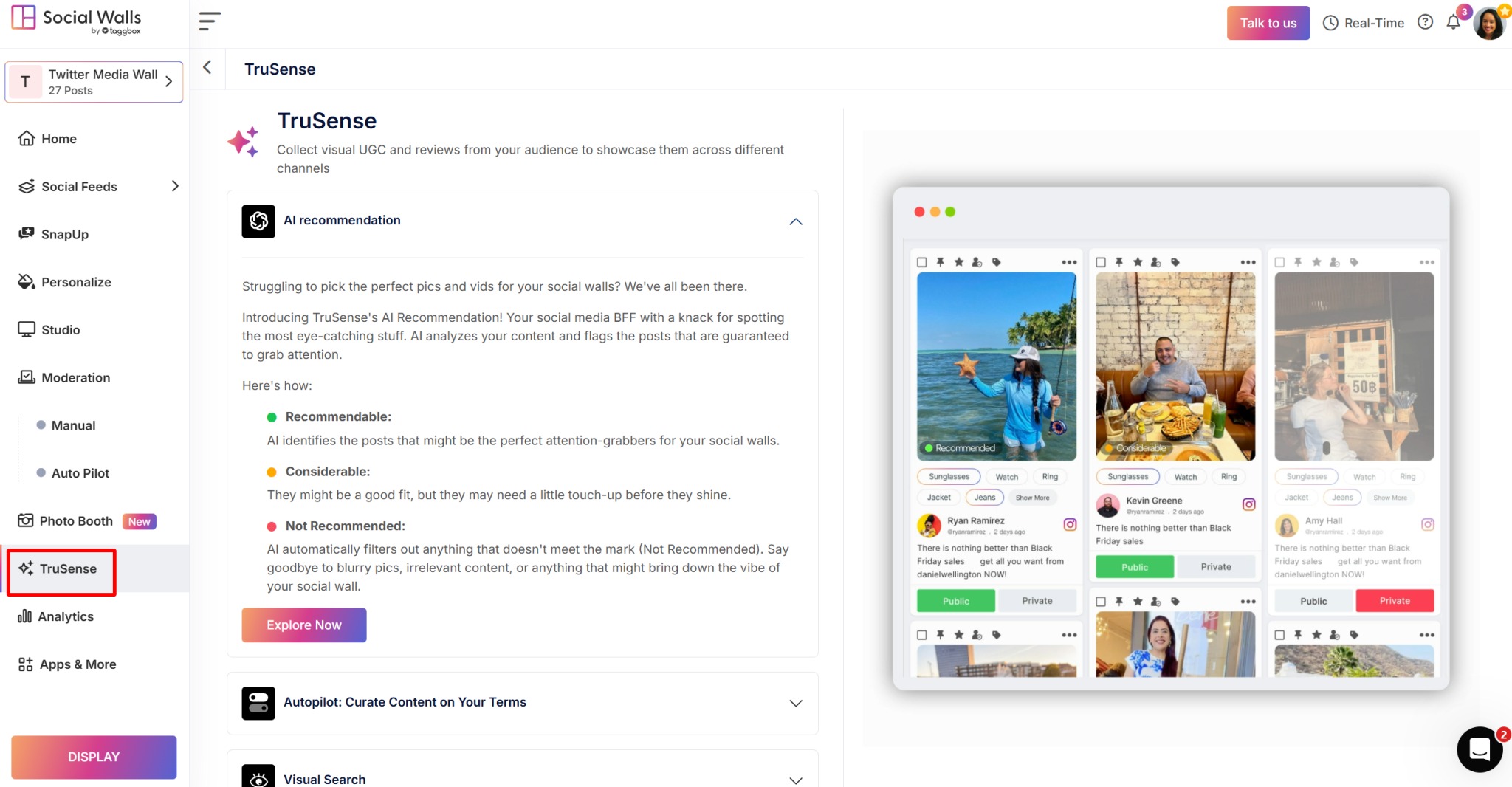
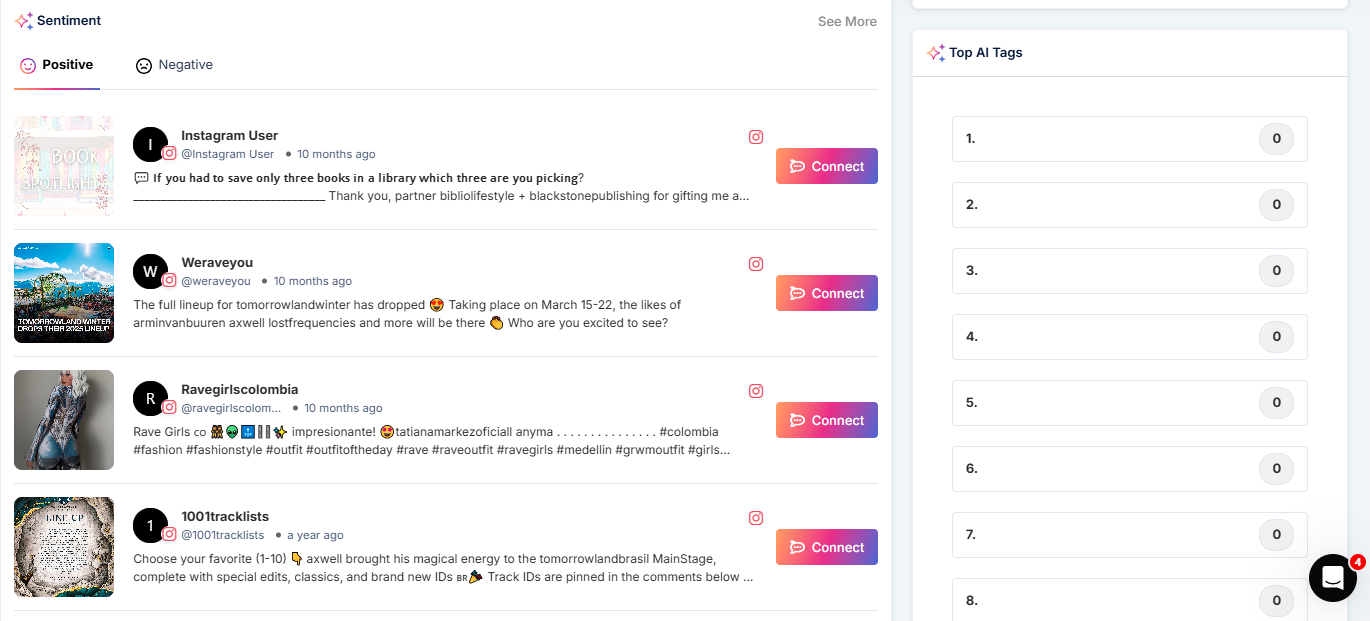
AI recommendations instantly surface the most relevant, high-clarity content, while Smart Curation organizes them in a way that reveals mood patterns across time.
As sentiment changes unfold on your wall, you get a real-time emotional pulse, helping you respond with empathy and create content that truly resonates.
Turn Feedback Into Product Improvement
Your audience constantly shares their expectations, frustrations, and wishlists across social platforms; you just need to pay attention. Social listening turns these scattered conversations into actionable insights for product and service improvements.
Whether it’s a repeated UI complaint, a desired feature, packaging concerns, or a pain point in the buying journey, each comment becomes valuable feedback. By aggregating this data through tools like Social Walls, you get a clear, organized picture of what users are asking for.
This helps your team prioritize enhancements, create more user-friendly products, and show customers that their voices directly influence what you build next.
Track Competitors as Closely as You Track Yourself
Great social listening includes studying your competitors’ conversation landscape. Monitor what people love about them, what frustrates their users, and which features customers feel are missing.
These insights give you a strategic advantage that helps to fill the gaps your competitors overlook. This is exactly how brands like Samsung create clever, timely campaigns.
Use Insights to Improve Content and Campaigns
Every scroll, share, and comment your audience makes can guide your content strategy. Social Listening shows you which tones they prefer, what cultural trends they follow, the memes they enjoy, and the time they are most active online. You can produce content that feels relevant, timely, and genuinely relatable.
Tools like Social Walls help you visualize these conversations as dynamic social feeds, making it easier to spot themes and engagement peaks. This ensures that your hashtag campaigns land at the right moment, use the right language, and feel tailor-made for your audience’s interests.
Start Turning Conversations Into Real Strategy
Use Social Walls to track trends and audience sentiment in real time
No Credit Card Required
The Final Note
We have mentioned all the needed social listening examples that you might need to observe. Remember that social listening is not a nice-to-have feature; it is rather a competitive advantage. Let this social listening guide be your content strategy and see your business win.
Frequently Asked Questions
-
What do you mean by social listening?
Social listening is the process of tracking and analyzing conversations happening online about your brand, competitors, industry, and relevant keywords. It goes beyond just tracking mentions — it helps you understand customer sentiment ananlysis, identify trends, discover feedback, and spot opportunities or issues early. By studying what people are saying across platforms like Instagram, X, LinkedIn, and forums, brands can make better decisions, create more relevant content, improve products, and engage with audiences more effectively.
-
Can you give real examples of social listening in marketing?
Yes. Starbucks used social listening to build the Pumpkin Spiceplatter into a cultural movement. McDonald’s revived discontinued items like Szechuan sauce after noticing fan discussion online. Samsung shaped its product launch messaging by tracking frustrations shared by competitor users.
-
How does social listening improve customer experience?
It helps brands understand what customers love, what frustrates them, and what they expect next. They also identify repeated issues, sentiment dips, or wishlists, and brands can improve products, respond faster, and communicate with more empathy. It turns feedback into action, making customers feel heard and valued, which directly boosts satisfaction and loyalty.
-
What kind of insights can social listening provide?
You get insights into trending topics, customer emotions, feature requests, competitor gaps, demographics, purchase intent, influencer traction, content performance, negative sentiment triggers, and more. These insights help shape marketing strategies, product updates, campaign timing, messaging tone, and overall brand positioning.

Wagisha Adishree is a content writer specializing in SEO writing with a focus on marketing insights. She enjoys reading newsletters that...