


活动营销计划 – 推广和售罄活动的步骤指南
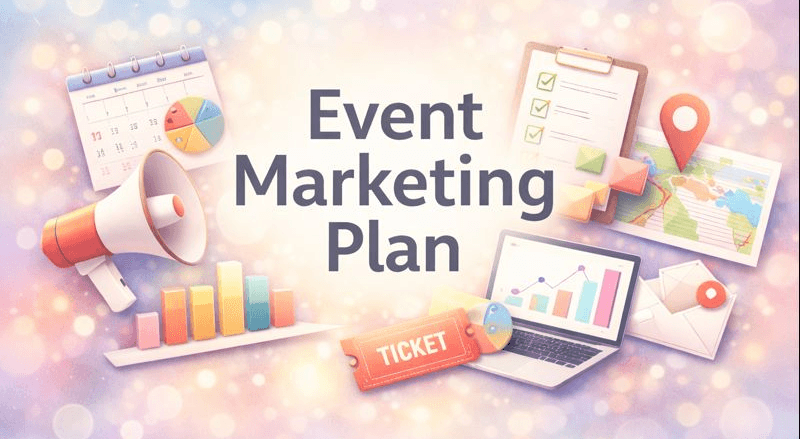
您的活动可以非常精彩,但如果没人知道,您就只是在为员工举办派对。一份坚实的活动营销计划决定了是“48小时内售罄”还是“寂静无声加上免费酒水”。
无论您是举办线下会议、混合式节日庆典,还是全虚拟峰会,游戏规则都一样:让合适的人兴奋起来,让他们注册,并在活动结束后很长一段时间内保持他们的热情。本指南为您提供了精确的活动营销计划大纲,帮助您填满场地并挤爆虚拟票务页面。免费模板、时间表、渠道细分,这篇博文拥有您所需的一切,让您停止猜测,开始赢取胜利。
什么是活动营销计划?
一份活动营销计划是您的主蓝图,它将日历上的一个日期变成一个已售罄(或已满员)的成功活动。它是明确说明您在与谁沟通、您在说什么、您在哪里说、何时说以及您为此花费多少的文档。将其视为活动流程表的营销版本,只不过这个版本直接控制着注册、热度以及收入。一份恰当的活动营销计划能让整个团队步调一致,避免最后一刻的恐慌性发帖,并确保您花费的每一分钱都能真正产生影响。
底线是:没有计划 = 赌博。有计划 = 可预测的出席率和您可以兑现的活动投资回报率。
活动营销计划的类型
在我们深入探讨活动营销规划的核心之前,重要的是
线下
一切都围绕着亲临现场的感觉而构建。您会推广早鸟价、本地广播、健身房和咖啡馆的海报,以及大型网红的出现。在场地,您会设置巨大的屏幕,上面显示一个实时社交墙,收集所有 #活动名称 的帖子。人们会自拍,立即看到自己出现在屏幕上,标记朋友,整个场地就变成了免费宣传。
虚拟
在这里,卖点是“无需出行,无需花费,仍能获得完整的体验”。你可以在邮件列表、领英群组和合作伙伴的网络研讨会上大力推广。诀窍在于让它感觉生动起来:在平台内运行一个社交墙,这样即使大家身处不同大陆,所有聊天和发帖的人仍然感觉像是在同一个大房间里。
混合模式
你基本上同时在举办两场活动。现场活动获得贵宾待遇(座位有限,有交流酒会),虚拟活动则获得低价的“在家观看”通行证。一个标签就能驱动两个社交墙:一个显示在场地屏幕上,一个显示在线大厅里。现场和远程的参会者看到完全相同的热情,并一起持续制造热度。
选择类型,然后遵循相同的核心活动营销计划,只需调整渠道和信息以适应即可。
这里有一个更有条理的方式,可以帮助你更好地理解这三者之间的区别。
| 方面 | 现场活动 | 虚拟活动 | 混合活动 |
| 核心承诺 | “身临其境——获得无与伦比的能量” | “无需差旅,无需酒店,无论身在何处,都能获得完整体验” | “两全其美——现场加入或在家参与” |
| 主要推广渠道 | 早鸟价、本地广播与播客、健身房与咖啡馆的海报/传单、街头推广团队、本地意见领袖、地理定位社交广告 | 电子邮件序列、领英与行业群组、合作伙伴网络研讨会、再营销广告、内容升级(免费预览)、全球意见领袖合作伙伴 | 以上所有渠道的结合——本地+全球渠道并行运行 |
| 观众互动工具 | 现场巨型屏幕配实时社交墙(#活动标签)——自拍即时显示 | 虚拟平台(Hopin、Zoom、Remo等)内置社交墙 | 单一标签连接两个社交墙:一个在场地屏幕上+一个在虚拟大厅 |
| 社交证明机制 | 与会者在大屏幕上看到自己和朋友 → 即时发布和标记 | 聊天+反应+实时帖子保持高能量 → 与在线相同的发布行为 | 现场和远程与会者看到完全相同的动态 → 统一的嗡嗡声 |
| 主要运营挑战 | 场地容量、后勤、天气(如果室外) | 当人们独自面对屏幕时,保持高能量 | 完美同步运行两种体验,而不会忽略任何一组人 |

 无需信用卡
无需信用卡如何制定活动营销计划 – 9个步骤流程
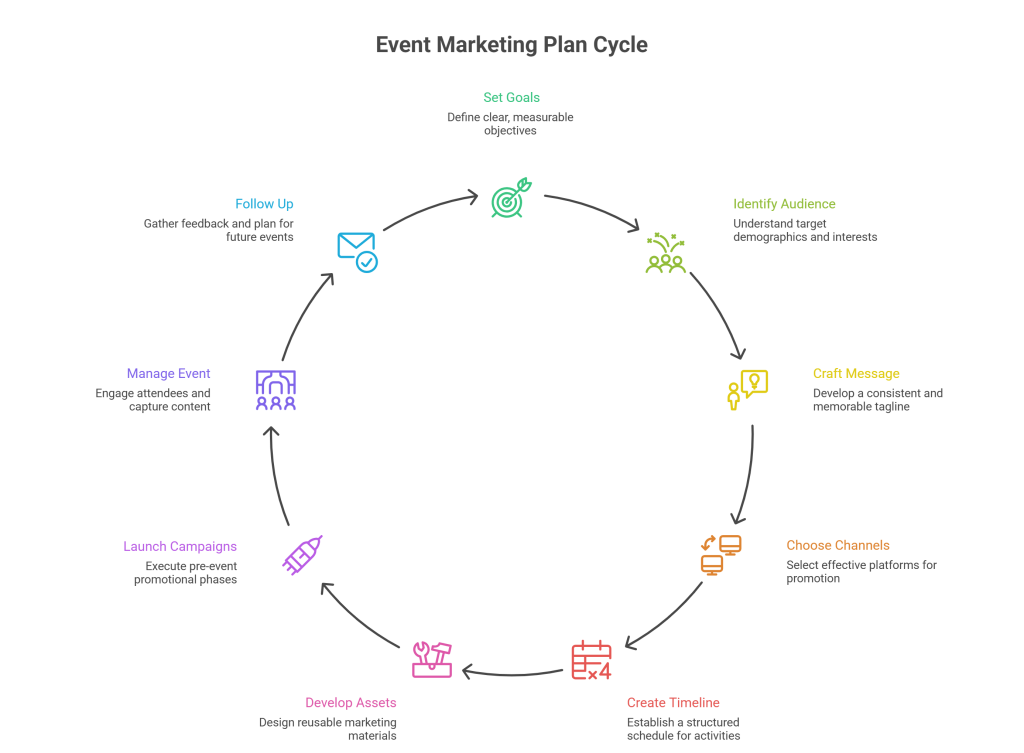
成功的活动需要完美的营销计划。以下是制定活动营销计划的步骤
第1步 – 确定您的目标和关键绩效指标
每一个精彩的活动营销计划都始于此,否则将注定失败。写下一句没有人会误解的话:“我们以平均299美元的价格售出1200张门票”或“我们收集400个合格的潜在客户”。选择三个可以从仪表板中提取的数字,而不是模糊的“品牌知名度”之类的废话。收入、注册量、社交媒体覆盖率。我见过阵容强大的活动失败,因为团队追求点赞而不是销售。首先确定目标,然后您为活动制定的营销计划中的每一个决定都将有一个北极星。错过这一步,您就只是在漂亮的图片上浪费钱。
第二步 – 确切了解谁会来
忘掉“所有人”。您的活动营销计划的成败取决于两到三个精准的受众画像。 例如:“年收入 10 万美元以上、年龄在 38-55 岁的企业人力资源经理”和“年龄在 25-35 岁、阅读 TechCrunch 的初创公司创始人”。列出他们最大的痛点、他们在网上常去的地方以及是什么让他们夜不能寐。每一封电子邮件主题、每一个 Reels 文案、每一个广告文案现在都直接面向他们。精准的受众 = 在活动营销过程中更高的转化率和更少的广告支出浪费。
第三步 – 确定一个核心信息
一句可以印在贴纸上的标语:“唯一能真正增加您收入的会议”或“三天,零废话,全是人脉”。这句话会出现在每一个横幅、电子邮件和社交媒体帖子中。选择三种颜色,一套字体,搞定。您的活动营销计划大纲现在拥有了人们能瞬间识别的个性。一致性是营销活动规划模板中没人谈论的捷径。
第四步 – 选择真正有效的渠道
停止到处发帖。选择您的受众画像所在的两个社交平台、您的电子邮件列表以及一个付费渠道(Meta、LinkedIn 或 Google)。然后,在网站和场地屏幕上添加一个 现场社交墙,因为它是免费的宣传方式,可以使用 Social Walls 等工具。Social Walls 可以轻松地在网站、活动和各种其他平台上收集、策划和展示社交媒体内容。渠道不是一场人气竞赛;它们是您活动营销计划中的武器。
第五步 – 制定一个万无一失的时间表
提前六个月:保存日期。 提前九十天:早鸟票发售。 提前三十天:每日倒计时。 提前七天:最后机会恐慌。将每项任务都放在共享的 Google 表格中,注明负责人和截止日期。错过节奏,您的推广就会显得杂乱无章;抓住每一个节拍,出席人数就会滚雪球般增长。这是整个活动营销过程的支柱,没有时间表,就没有控制权。
第 6 步 – 一次创建资产,永久使用。
第一周:快速制作演讲者引言卡、倒计时视频、电子邮件标题、主题标签图形和社交墙小部件代码。使用 Canva 模板,这样实习生就不会搞砸。一个文件夹,每个人都可以拿到他们需要的东西。您的营销活动规划模板应包含资产清单;否则,您将在发布前午夜重新设计相同的图形。一次做好,在整个主题标签活动中看起来都很专业。
第 7 步 – 开始预活动宣传。
第一阶段:预告片。
第二阶段:演讲者介绍。
第三阶段:早鸟票。
第四阶段:社会证明(过往精彩集锦)。
第五阶段:错失恐惧症。
第六阶段:最后 48 小时。
每个阶段都有自己的电子邮件、广告组和预算。您的活动营销计划不是随机发帖;它是一波精心计算的浪潮,在注册截止时达到顶峰。错过一个阶段,您就会损失金钱。
第 8 步 – 掌控活动当天的能量
大屏幕、拉取所有 #YourEvent 帖子的实时社交墙、照片亭提供相同的信息流,以及一位主持人向热门发帖者致敬。与会者在不知不觉中成为您的营销团队。活动当天的执行将一个好活动变成一个传奇活动,并为您提供明年的内容。这就是您的活动营销计划大纲发挥作用的地方;人们会发帖、标记,并已经开始询问明年的门票。
第 9 步 – 快速跟进并充分利用。
24小时内:感谢邮件、调查问卷、回放链接、明年早鸟票。七天内:精彩集锦、最佳语录、参会者评价。您的活动营销计划不会在灯光熄灭时结束;它始于下一次销售。重新利用一切:领英轮播图、电子邮件案例研究、网站证明。一场活动,六个月的内容,零额外工作。
活动营销渠道 — 数字和传统策略
社交媒体活动营销策略
选择您的受众每天都会打开的两个平台,并牢牢掌握它们。B2B 会议选择领英 + 推特,消费者节日选择 Instagram + TikTok。每日发布:倒计时图、演讲者 Reels、“向上滑动保存您的座位”、转发过去参会者的帖子。从第一天起使用一个品牌标签,并将其插入您网站和场馆屏幕上的实时社交墙。仅此一墙就可以将 500 名参会者变成 500 名免费推广者。获取我的免费社交媒体活动营销计划模板、90 天日历、帖子创意和已连续售罄三个会议的确切标题公式。
电子邮件营销和内容策略
在 2025 年,您的列表仍然是投资回报率最高的渠道。运行一个六部分序列:日期提醒 → 演讲者阵容 → 早鸟提醒 → 成功案例 → 最后机会 → 感谢 + 回放。按角色细分,以便初创公司创始人收到与企业高管不同的文案。将其与内容营销相结合:博客文章、潜在客户磁铁和演讲者访谈,以推动注册。
传统与付费组合
本地广播和校园传单仍然适用于节日活动,行业杂志广告适用于小众会议。Meta、LinkedIn 和 Google 上的付费广告填补了空白。定位那些访问过您的网站但未注册的人——他们已经感兴趣,并且更有可能转化。
结论
成功活动与不成功活动之间的区别在于一个恰当的营销计划。上述步骤可以帮助您让您的活动大获成功。那么您还在等什么?利用活动营销计划,让您的活动成为城中热议的话题。
Frequently Asked Questions
A complete event marketing plan contains clear goals and KPIs, audience personas, core messaging and branding, selected channels (social, email, paid), a detailed timeline and content calendar, budget allocation, promotional assets list, social wall integration, email sequences, and post-event measurement framework.
Large in-person or hybrid events need 6–12 months of promotion. Virtual event or smaller events require 3–6 months. Serious push (daily posts, ads, email cadence) should begin 90 days before registration closes to build momentum and hit capacity.
Event planning covers logistics: venue, schedule, catering, registration flow, and on-site operations. Event marketing focuses on audience acquisition and engagement: messaging, promotion channels, ticket/registration sales, and ROI tracking. Both are essential, but marketing directly drives revenue and attendance.
Primary metrics include total registrations/ticket revenue, cost per acquisition, conversion rate from each channel, email open/click rates, organic and paid social reach, social wall engagement (posts displayed), and post-event NPS or feedback scores. Success is defined against the original KPIs set in the plan.