





Virtual Event Marketing Strategy for a Successful Online Event in 2026

作者: Dakshit Mathur/6 一分钟阅读/
Virtual Event Marketing Strategy

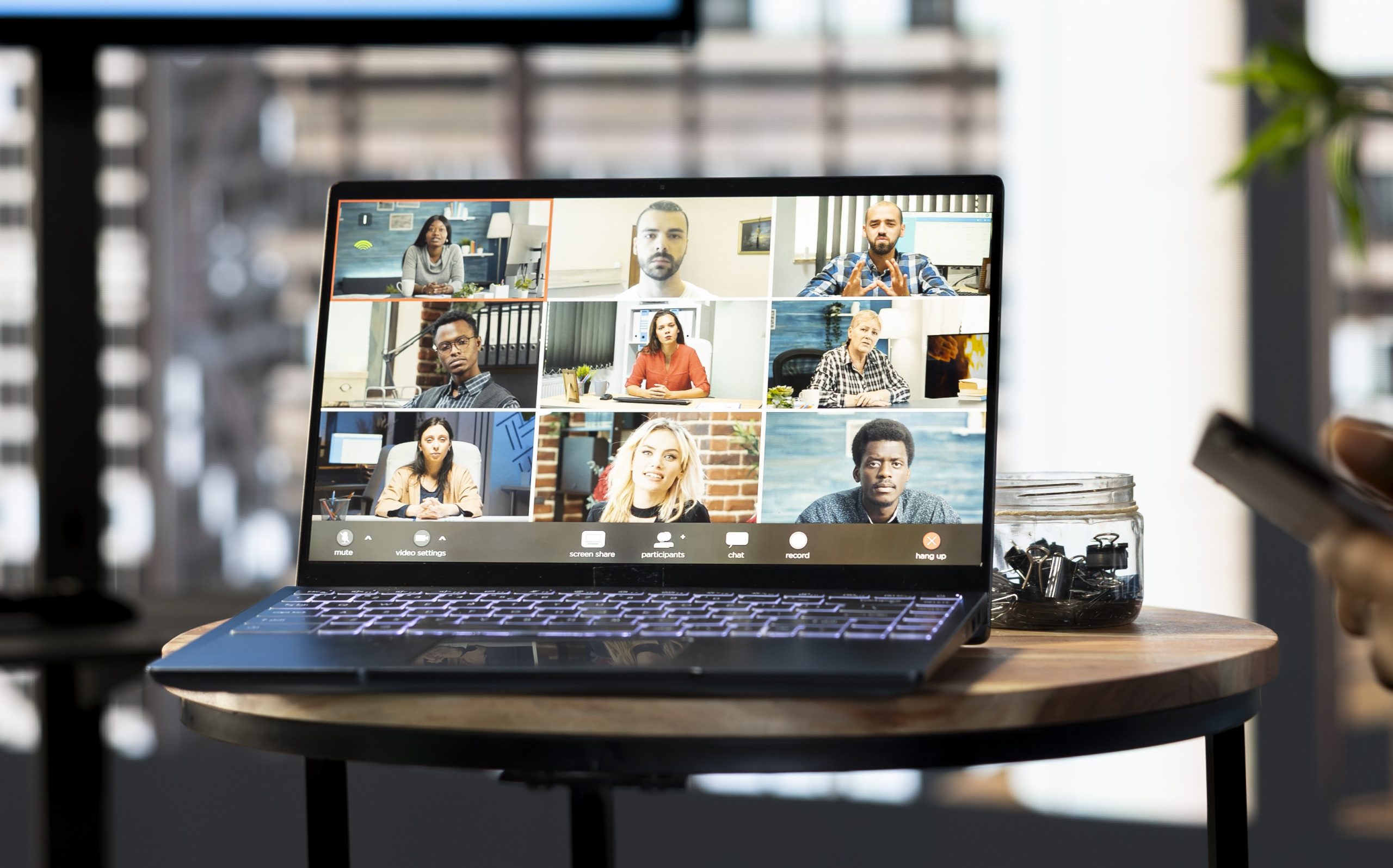
In 2026, brands and event marketers are turning towards virtual events. The spotlight’s moved online, and virtual event marketing strategies are working very well.

It’s faster, cheaper, and comparatively more measurable. You don’t chase attendees anymore; they find you, engage with you, and share your event across the internet. It’s modern-day marketing done right.

Virtual Event Marketing strategy

Sounds interesting? Read on!

What is Virtual Event Marketing ?

Virtual event marketing refers to promoting online events such as webinars, conferences, and workshops. The main aim of these virtual events is generally to create buzz, boost registration, and keep attendees entertained to drive attendance and event engagement.

Offline Event Marketing vs Virtual Event Marketing

Importance of Virtual Event Marketing

Importance of Virtual Event Marketing

Here is why virtual event promotion is no joke in 2026:

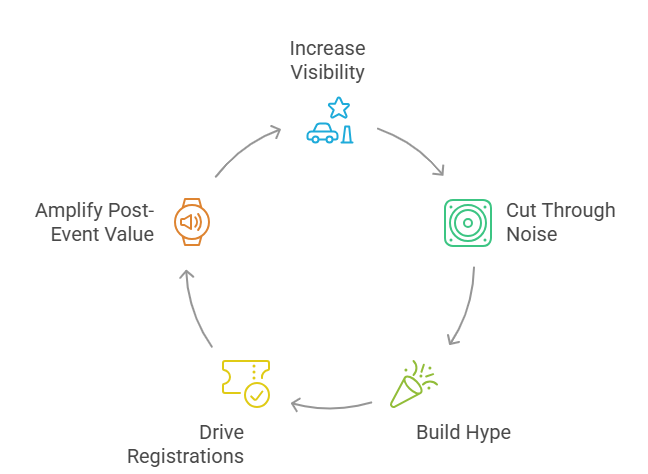
1. Visibility = Attendance

No one shows up if they don’t know it exists. Virtual event marketing puts your event on the radar, emails, social posts, and ads. More eyeballs, more clicks, more attendees.

2. Cut Through the Noise

2026 is crowded. Every brand is online. Virtual event marketing is how you stand out. Creative promos, teasers, and countdowns make your event impossible to ignore.

3. Build Hype Before Day One

Marketing isn’t just “tell them once.” It’s drip hashtag campaigns, sneak peeks, speaker highlights. A well-marketed virtual event feels like the party everyone wants to join, powered by smart virtual event marketing ideas.

4. Drive Registrations, Not Just Awareness

Awareness alone doesn’t pay the bills. Smart virtual event marketing nudges people to register. Personalized invites, retargeting, and reminders turn interest into action.

5. Amplify Post-Event Value

Marketing doesn’t stop on live day. Post-event campaigns keep content alive, attract on-demand viewers, and extend event ROI. Your efforts echo far beyond a single screen, and that’s where strong virtual event marketing ideas make all the difference.

Marketing Strategies for Each Stage of the Virtual Event

Here are some key strategies that you should be following to ensure the finest marketing for your virtual event –

1. Pre-Event Strategy

  • Awareness & announcement: Create a buzz using targeted emails, social blasts, and teasers. 80% say wider reach is a top virtual event benefit, a key part of any effective virtual event marketing strategy.
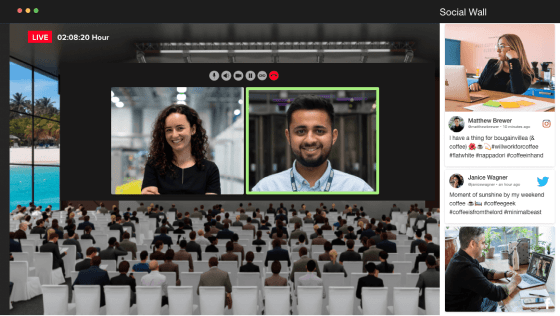
  • Interest building: Speaker reveals, session previews, countdowns. Moreover, live social walls showing people’s excitement also serve as great social proof for your event.
  • Use strong hashtags: No event marketing campaign is successful in 2025 without a strong hashtag. Hashtags have become an essential tool to increase event engagement, a must-have in your virtual event marketing strategy.
  • Build social proof: Use your success stories, attendees’ testimonials, and influencer shares to build social proof and drive last-minute signups.

2. In-Event Strategy

  • Build real-time engagement: Ensure your virtual event includes pools, live chats, breakout rooms, etc., to keep the audience engaged and room energy up all the time.
  • Audience Activation: Include social walls, Q&As, and gamified sessions to make the attendees feel part of the event. After all, higher engagement = better ROI.

3. Post-Event Strategy

  • Immediate Follow-Up: Send thank-you, feedback forms, and a link to on-demand content. 90% use surveys to measure attendees’ satisfaction, an essential step in any effective virtual event promotion.​
  • Analytics/ROI Measurement: Attendance, engagement time, lead conversion, NPS. 23% still don’t measure success, but smart marketers do.​

Virtual event marketing strategy isn’t a one-and-done affair. Nail planning, pick the right tools, and measure what matters, with stats as your backbone, to secure success.

Virtual Event Marketing Strategy Examples

Virtual Event Marketing Strategy Examples

Let’s take a look at a few virtual event marketing strategy examples to get a better idea –

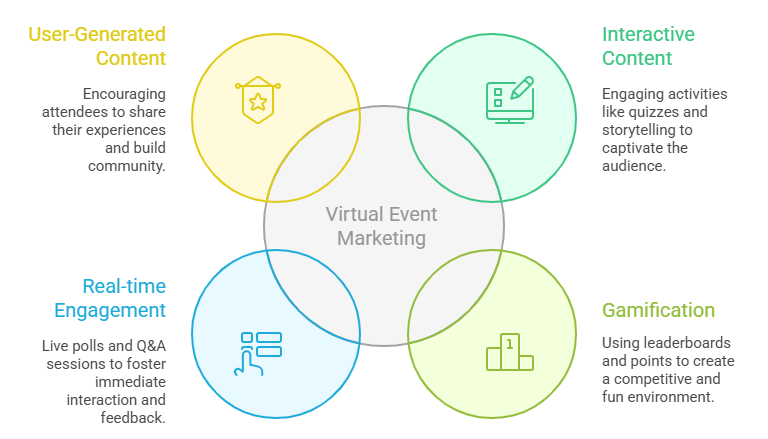
  • Interactive content and VR/AR experience: To keep your audience hooked and clicking all the time, it’s important to include engagement activities such as adding quizzes or interactive storytelling. Moreover, you can offer virtual spaces and let attendees try products via VR tours or AR filters on their devices.
  • Gamification with leaderboards and points: Make your event a game show, minus the actual host. Reward points for joining sessions, answering quizzes, or sharing content. Flash those leaderboards in real-time to stoke friendly rivalry. Suddenly, attending becomes a fun contest everyone wants a piece of!
  • Live polls, Q&A, and real-time engagement: Enhance your virtual event with audience engagement tools like live polls, game sessions, social walls and more. Do not forget to share results instantly. People love knowing their voice counts and seeing the crowd’s vibe. Real-time interaction keeps energy high and boredom at bay.
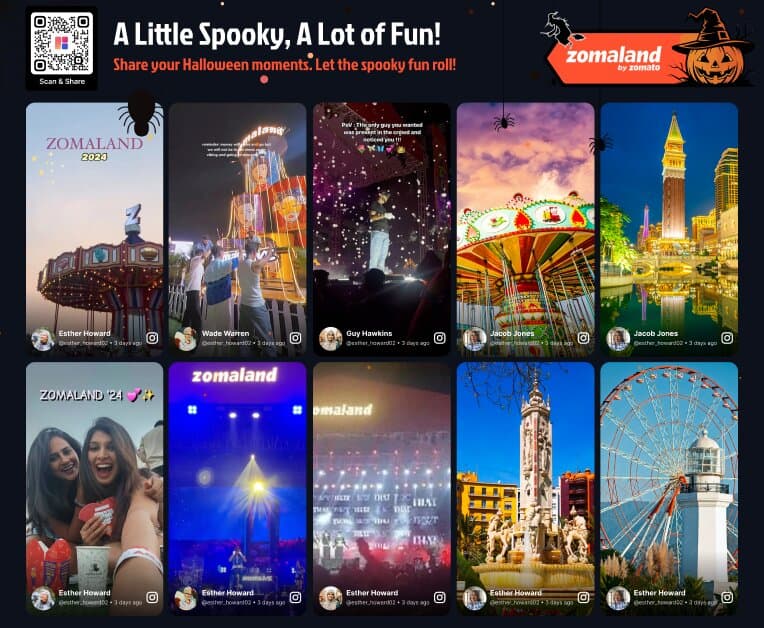
  • User-generated content campaigns: Encourage sharing photos, videos, or event thoughts. Feature their posts on social walls or during sessions to build community buzz.

How to Measure the Success of Virtual Event Marketing

virtual event marketing strategy

There’s no one metric that tells you the complete story about your virtual event. You’ll have to analyze different KPIs to see the bigger picture.

Key metrics to watch:

  • Attendance Quality: Focus on decision-makers and new leads. B2B events thrive when key accounts engage actively, think Q&As and polls participation, not just show up.
  • Number of Attendees: Beyond headcount, track session engagement time and repeat attendance. Average attendance rates are important, but retention between sessions shows real interest.
  • Demand Generation: How many fresh leads popped up? Count demos, sales meetings, and marketing-qualified leads triggered by the event.
  • Funnel Influence: Measure pipeline touched and conversion speed post-event. Some events report up to 30% higher conversion rates thanks to timely virtual engagement.
  • Spend Efficiency: Look at the cost per attendee and lead. Virtual events often cut costs by up to 70%, making ROI sweeter.
  • Social Proof: The user-generated content from the event is your ultimate social proof that speaks about the success of your event. Gather, display, and spark buzz for your next event!

Conclusion

Virtual events in 2026 mean cutting costs drastically, reaching audiences worldwide, and keeping content alive well after the event wraps.

With detailed analytics, last-minute flexibility, and powerful promotional tools, virtual events offer unmatched ROI.

Want your engagement to hit the roof? Easy: boost your event with Social Walls for real-time social feeds, polls, and audience interaction that turns viewers into participants.

Frequently Asked Questions

There is no specific budget for virtual event marketing. It varies depending on what experience you want to provide your attendees.

It is always a good idea to start running a hashtag campaign for a virtual event at least 4 weeks before the event. It leads to the buzz being built around 2 weeks prior.

Keep content engaging, interact constantly, and test tech beforehand. A happy interactivity ratio boosts attendance and recall.

You can measure virtual event marketing success by tracking both attendance and engagement quality. Start with registrations, attendance rate, and ICP fit to understand audience relevance. Then measure engagement—watch time, chats, polls, and Q&A participation. Evaluate content performance to see which sessions performed best. Finally, track demand-generation impact such as leads, MQLs, pipeline influence, and post-event actions.

If you’re using a social wall, its analytics give deeper insights: total posts, hashtag performance, audience sentiment, real-time engagement spikes, and top contributors—helping you understand how socially active and involved your audience was during the event.

That completely depends on your target audience. For example, if you want to market your corporate event, LinkedIn can perform the best. Likewise, Instagram can be the go-to platform for promoting virtual leadership webinars.

相关文章

活动

DOOH Audience Engagement – Strategies, Tools, Metrics, and More

The DOOH market is exploding these days, spending already blew past $24 billion in 2024 and keeps climbing as digital screens take over malls, streets, transit hubs, and events. Interactive stuff is the real driver for DOOH audience engagement : moving content grabs way more eyes and attention. Moreover, viewers remember DOOH ads 60% longer […]

Rohan Singh
Rohan SinghJanuary 15, 2026
DOOH Audience Engagement – Strategies, Tools, Metrics, and More
活动

真正推动互动的顶级受众参与示例

参与度高的品牌增长率是其他品牌的 5.78 倍(HubSpot,2025 年)。仅凭这个数字就应该让你停下来思考新的受众参与示例。因为在 2026 年,稀缺的不是注意力,而是连接。受众参与是指让你的受众采取行动,评论、投票、分享、点赞或创作。当这种情况发生时,留存率就会提高,[…]

Dakshit Mathur
Dakshit MathurJanuary 13, 2026
真正推动互动的顶级受众参与示例
活动

2026年推动真正成果的受众参与创意互动想法

获得观看次数和点赞已不再是挑战——赢得有意义的参与才是。这就是为什么脱颖而出的品牌会专注于巧妙的受众参与创意,这些创意能激发互动,而不仅仅是吸引注意力。受众期望成为体验的一部分。在这篇博文中,我们将讨论那些将[…]

Wagisha Adishree
Wagisha AdishreeJanuary 12, 2026
2026年推动真正成果的受众参与创意互动想法
Virtual Event Marketing Strategy and Tips for Effective Engagement