






Strategia di Marketing per Eventi Virtuali per un Evento Online di Successo nel 2026
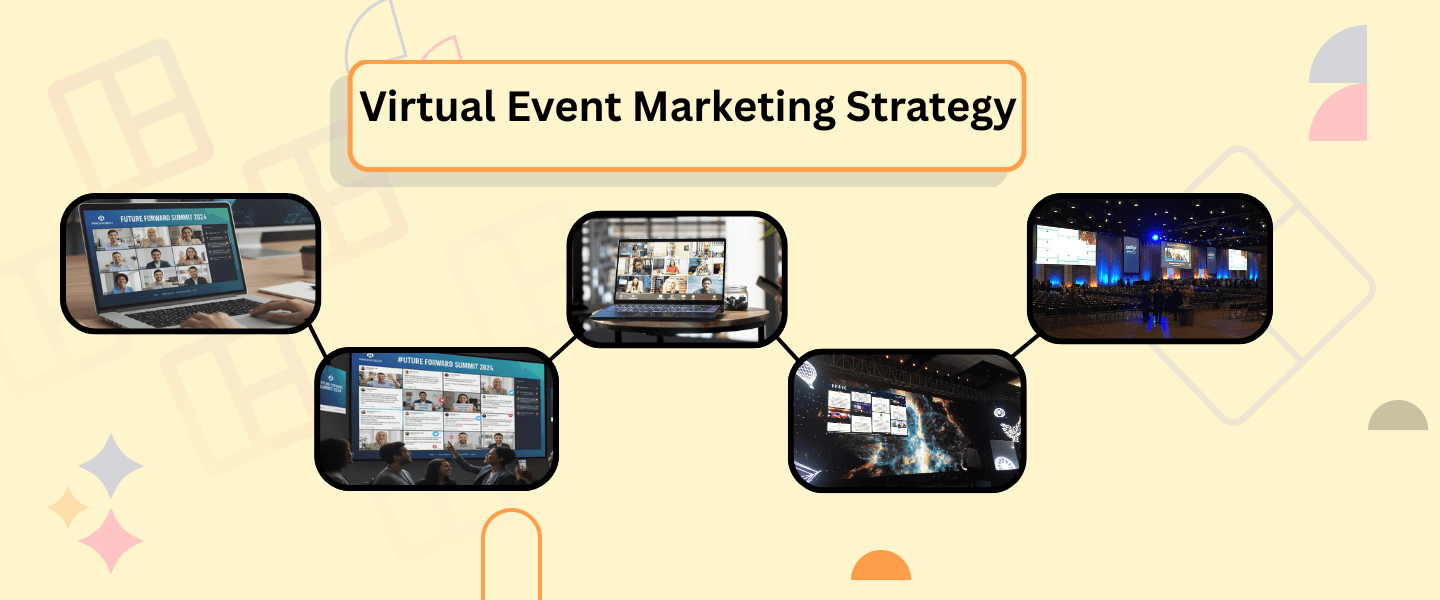
In 2026, brands and event marketers are turning towards virtual events. The spotlight’s moved online, and virtual event marketing strategies are working very well.
It’s faster, cheaper, and comparatively more measurable. You don’t chase attendees anymore; they find you, engage with you, and share your event across the internet. It’s modern-day marketing done right.
Sounds interesting? Read on!
What is Virtual Event Marketing ?
Virtual event marketing refers to promoting online events such as webinars, conferences, and workshops. The main aim of these virtual events is generally to create buzz, boost registration, and keep attendees entertained to drive attendance and event engagement.
Offline Event Marketing vs Virtual Event Marketing
| Aspect | Virtual Event Marketing | Traditional Event Marketing |
|---|---|---|
| Reach | Global, not limited by geography | Local/physical, venue-bound |
| Cost | Lower—avg save 70–75% on logistics | High—venue, catering, travel |
| Flexibility | Easy scale up/down, add sessions at the last minute | Constraints on capacity & changes |
| Data & Analytics | Detailed tracking: attendee, engagement, ROI | Limited; harder to measure impact |
| Promotion Channels | Email, social, paid ads, influencers | Print media, physical invites |
Importance of Virtual Event Marketing
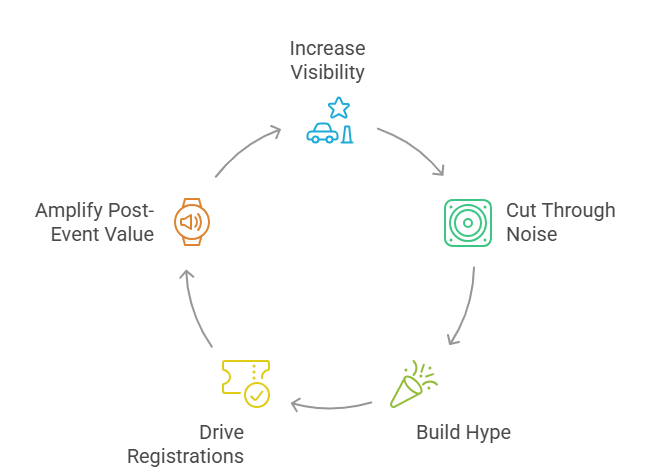
Here is why virtual event promotion is no joke in 2026:
1. Visibility = Attendance
No one shows up if they don’t know it exists. Virtual event marketing puts your event on the radar, emails, social posts, and ads. More eyeballs, more clicks, more attendees.
2. Cut Through the Noise
2026 is crowded. Every brand is online. Virtual event marketing is how you stand out. Creative promos, teasers, and countdowns make your event impossible to ignore.
3. Build Hype Before Day One
Marketing isn’t just “tell them once.” It’s drip hashtag campaigns, sneak peeks, speaker highlights. A well-marketed virtual event feels like the party everyone wants to join, powered by smart virtual event marketing ideas.
4. Drive Registrations, Not Just Awareness
Awareness alone doesn’t pay the bills. Smart virtual event marketing nudges people to register. Personalized invites, retargeting, and reminders turn interest into action.
5. Amplify Post-Event Value
Marketing doesn’t stop on live day. Post-event campaigns keep content alive, attract on-demand viewers, and extend event ROI. Your efforts echo far beyond a single screen, and that’s where strong virtual event marketing ideas make all the difference.
Turn your event into a high-visibility, high-attendance, high-ROI experience—starting today.

 No Credit Card Required
Marketing Strategies for Each Stage of the Virtual Event
Here are some key strategies that you should be following to ensure the finest marketing for your virtual event –
1. Pre-Event Strategy
- Awareness & announcement: Create a buzz using targeted emails, social blasts, and teasers. 80% say wider reach is a top virtual event benefit, a key part of any effective virtual event marketing strategy.
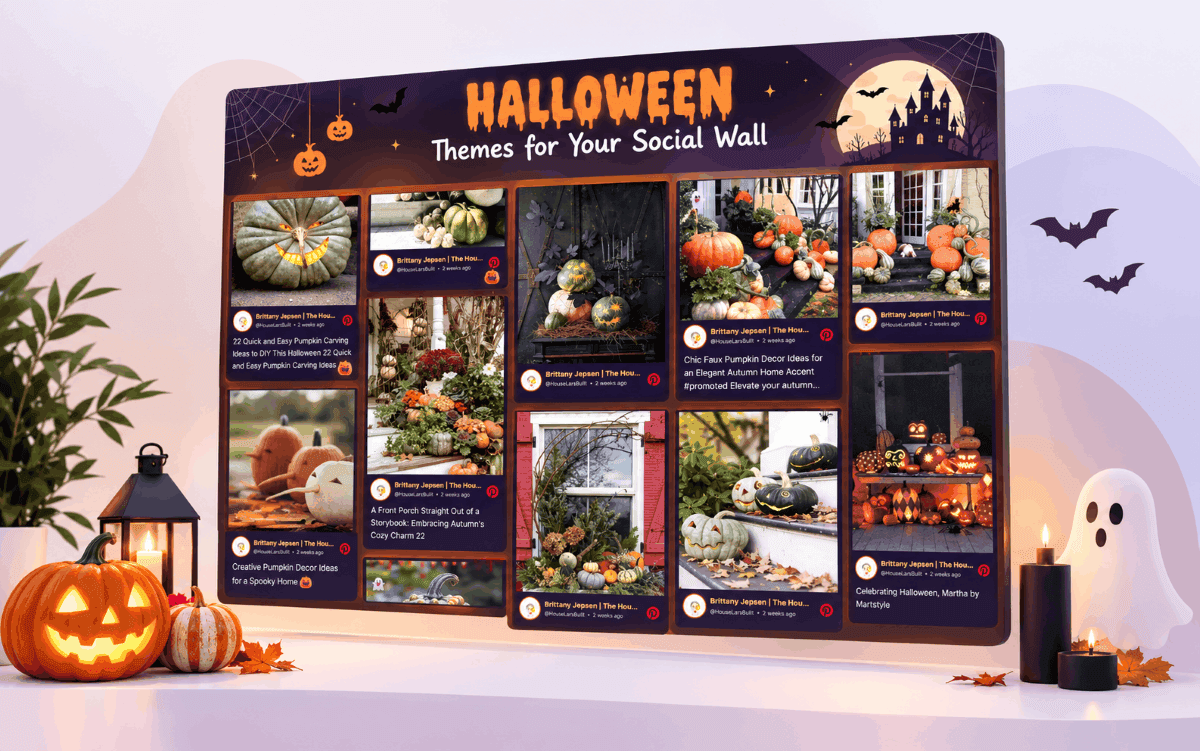
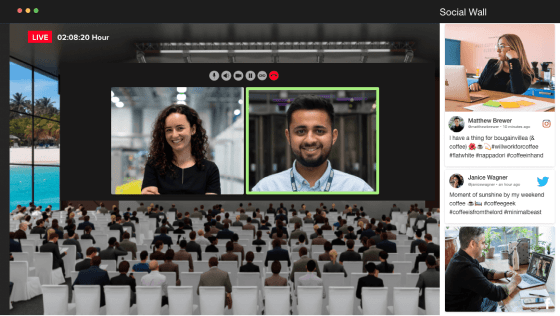
- Interest building: Speaker reveals, session previews, countdowns. Moreover, live social walls showing people’s excitement also serve as great social proof for your event.
- Use strong hashtags: No event marketing campaign is successful in 2025 without a strong hashtag. Hashtags have become an essential tool to increase event engagement, a must-have in your virtual event marketing strategy.
- Build social proof: Use your success stories, attendees’ testimonials, and influencer shares to build social proof and drive last-minute signups.
2. In-Event Strategy
- Build real-time engagement: Ensure your virtual event includes pools, live chats, breakout rooms, etc., to keep the audience engaged and room energy up all the time.
- Audience Activation: Include social walls, Q&As, and gamified sessions to make the attendees feel part of the event. After all, higher engagement = better ROI.
3. Post-Event Strategy
- Immediate Follow-Up: Send thank-you, feedback forms, and a link to on-demand content. 90% use surveys to measure attendees’ satisfaction, an essential step in any effective virtual event promotion.
- Analytics/ROI Measurement: Attendance, engagement time, lead conversion, NPS. 23% still don’t measure success, but smart marketers do.
Virtual event marketing strategy isn’t a one-and-done affair. Nail planning, pick the right tools, and measure what matters, with stats as your backbone, to secure success.
Virtual Event Marketing Strategy Examples
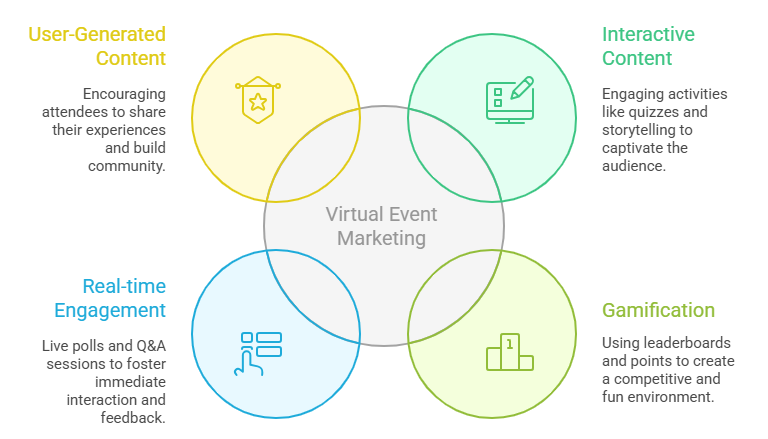
Let’s take a look at a few virtual event marketing strategy examples to get a better idea –
- Interactive content and VR/AR experience: To keep your audience hooked and clicking all the time, it’s important to include engagement activities such as adding quizzes or interactive storytelling. Moreover, you can offer virtual spaces and let attendees try products via VR tours or AR filters on their devices.
- Gamification with leaderboards and points: Make your event a game show, minus the actual host. Reward points for joining sessions, answering quizzes, or sharing content. Flash those leaderboards in real-time to stoke friendly rivalry. Suddenly, attending becomes a fun contest everyone wants a piece of!
- Live polls, Q&A, and real-time engagement: Enhance your virtual event with audience engagement tools like live polls, game sessions, social walls and more. Do not forget to share results instantly. People love knowing their voice counts and seeing the crowd’s vibe. Real-time interaction keeps energy high and boredom at bay.
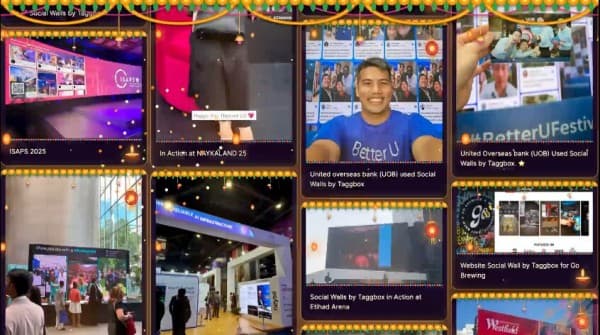
- User-generated content campaigns: Encourage sharing photos, videos, or event thoughts. Feature their posts on social walls or during sessions to build community buzz.
How to Measure the Success of Virtual Event Marketing
There’s no one metric that tells you the complete story about your virtual event. You’ll have to analyze different KPIs to see the bigger picture.
Key metrics to watch:
- Attendance Quality: Focus on decision-makers and new leads. B2B events thrive when key accounts engage actively, think Q&As and polls participation, not just show up.
- Number of Attendees: Beyond headcount, track session engagement time and repeat attendance. Average attendance rates are important, but retention between sessions shows real interest.
- Demand Generation: How many fresh leads popped up? Count demos, sales meetings, and marketing-qualified leads triggered by the event.
- Funnel Influence: Measure pipeline touched and conversion speed post-event. Some events report up to 30% higher conversion rates thanks to timely virtual engagement.
- Spend Efficiency: Look at the cost per attendee and lead. Virtual events often cut costs by up to 70%, making ROI sweeter.
- Social Proof: The user-generated content from the event is your ultimate social proof that speaks about the success of your event. Gather, display, and spark buzz for your next event!
Get the strategies and tools you need to boost attendance, interaction, and conversions.
No Credit Card Required
Conclusion
Virtual events in 2026 mean cutting costs drastically, reaching audiences worldwide, and keeping content alive well after the event wraps.
With detailed analytics, last-minute flexibility, and powerful promotional tools, virtual events offer unmatched ROI.
Want your engagement to hit the roof? Easy: boost your event with Social Walls for real-time social feeds, polls, and audience interaction that turns viewers into participants.
Domande frequenti
Non esiste un budget specifico per il marketing degli eventi virtuali. Varia a seconda dell'esperienza che si desidera offrire ai propri partecipanti.
È sempre una buona idea iniziare una campagna di hashtag per un evento virtuale almeno 4 settimane prima dell'evento. Porta a creare l'attesa circa 2 settimane prima.
Mantieni i contenuti coinvolgenti, interagisci costantemente e testa la tecnologia in anticipo. Un buon rapporto di interattività aumenta la partecipazione e il ricordo.
Puoi misurare il successo del marketing degli eventi virtuali monitorando sia la partecipazione che la qualità del coinvolgimento. Inizia con le registrazioni, il tasso di partecipazione e l'adattamento ICP per comprendere la rilevanza del pubblico. Quindi misura il coinvolgimento: tempo di visualizzazione, chat, sondaggi e partecipazione alle domande e risposte. Valuta le prestazioni dei contenuti per vedere quali sessioni hanno avuto il miglior rendimento. Infine, monitora l'impatto sulla generazione della domanda come lead, MQL, influenza sulla pipeline e azioni post-evento.
Se stai utilizzando una social wall, le sue analisi forniscono approfondimenti più dettagliati: post totali, prestazioni degli hashtag, sentiment del pubblico, picchi di coinvolgimento in tempo reale e i migliori contributori, aiutandoti a capire quanto il tuo pubblico fosse socialmente attivo e coinvolto durante l'evento.
Dipende completamente dal tuo pubblico di riferimento. Ad esempio, se vuoi promuovere il tuo evento aziendale, LinkedIn può funzionare al meglio. Allo stesso modo, Instagram può essere la piattaforma di riferimento per promuovere webinar sulla leadership virtuale.